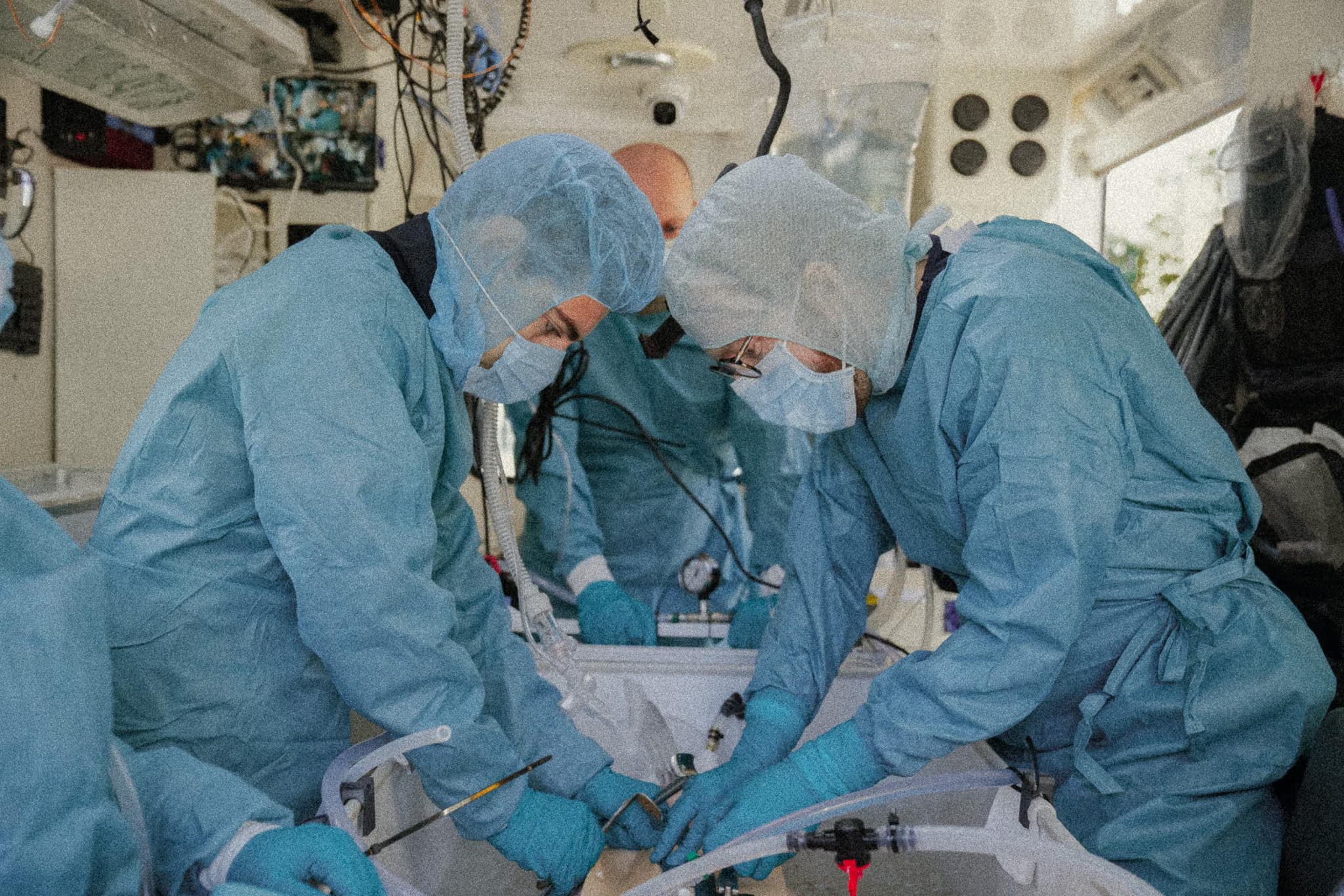
We protect the body from ice on site, within hours of legal death, instead of after a long transport on ice.
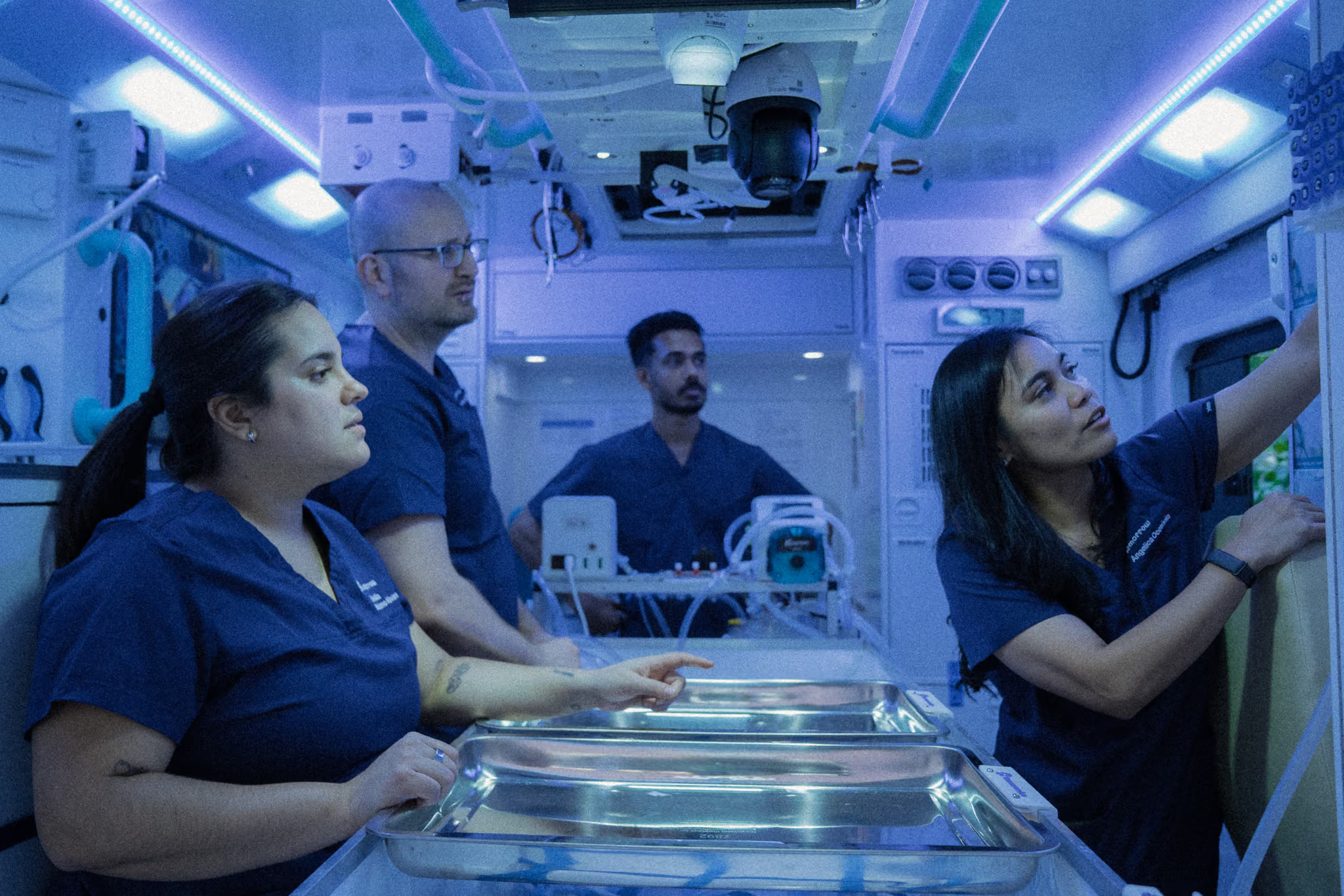
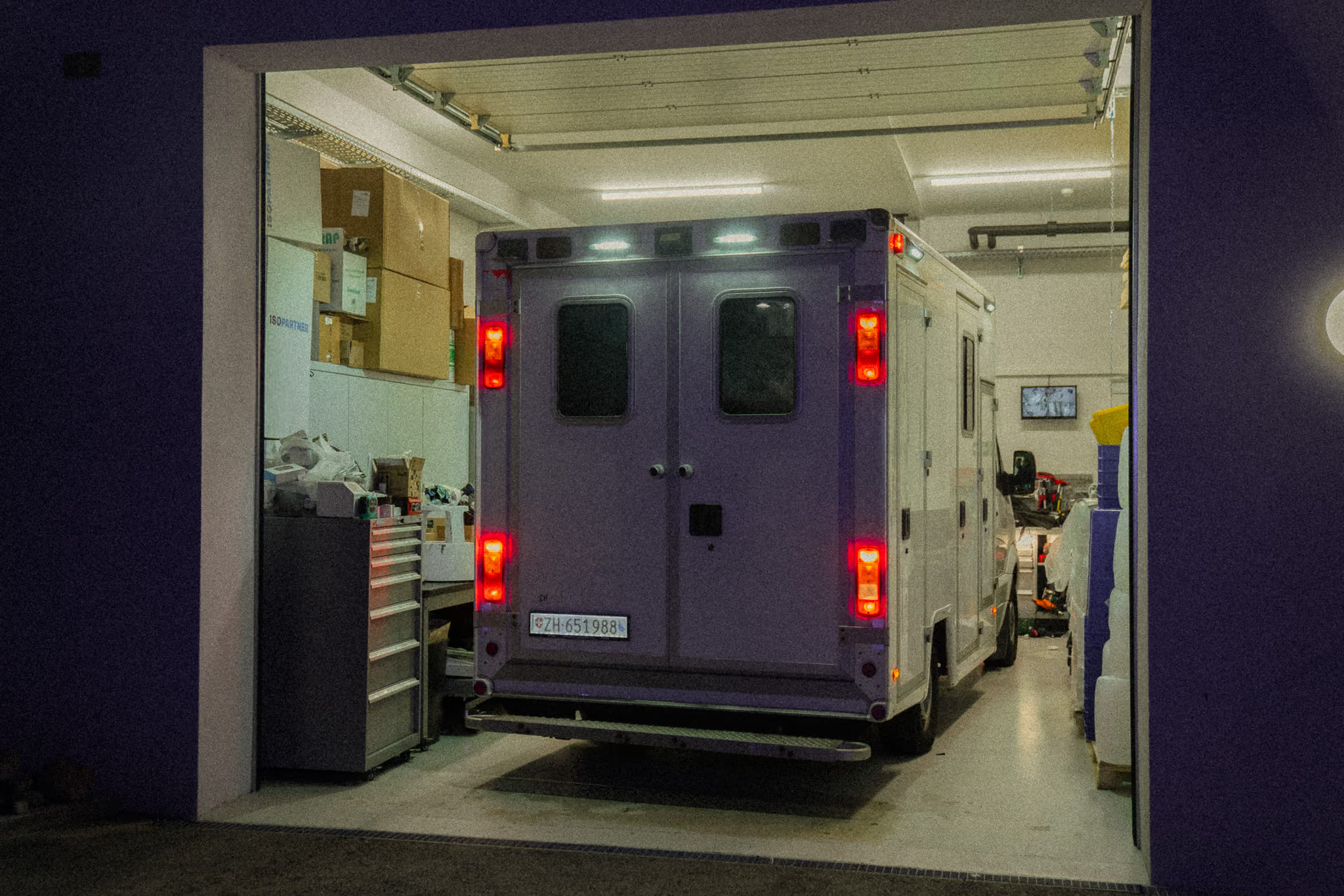
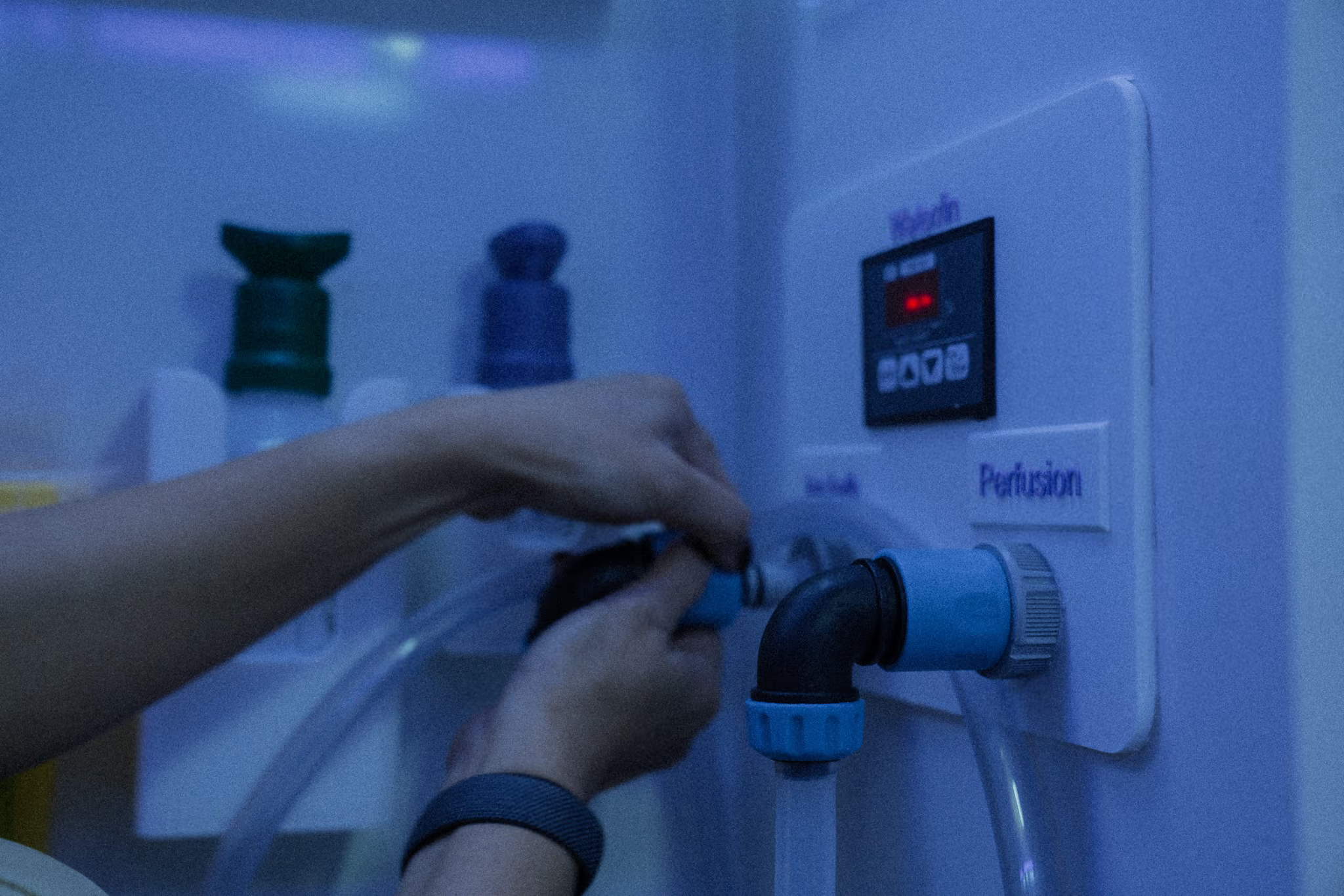
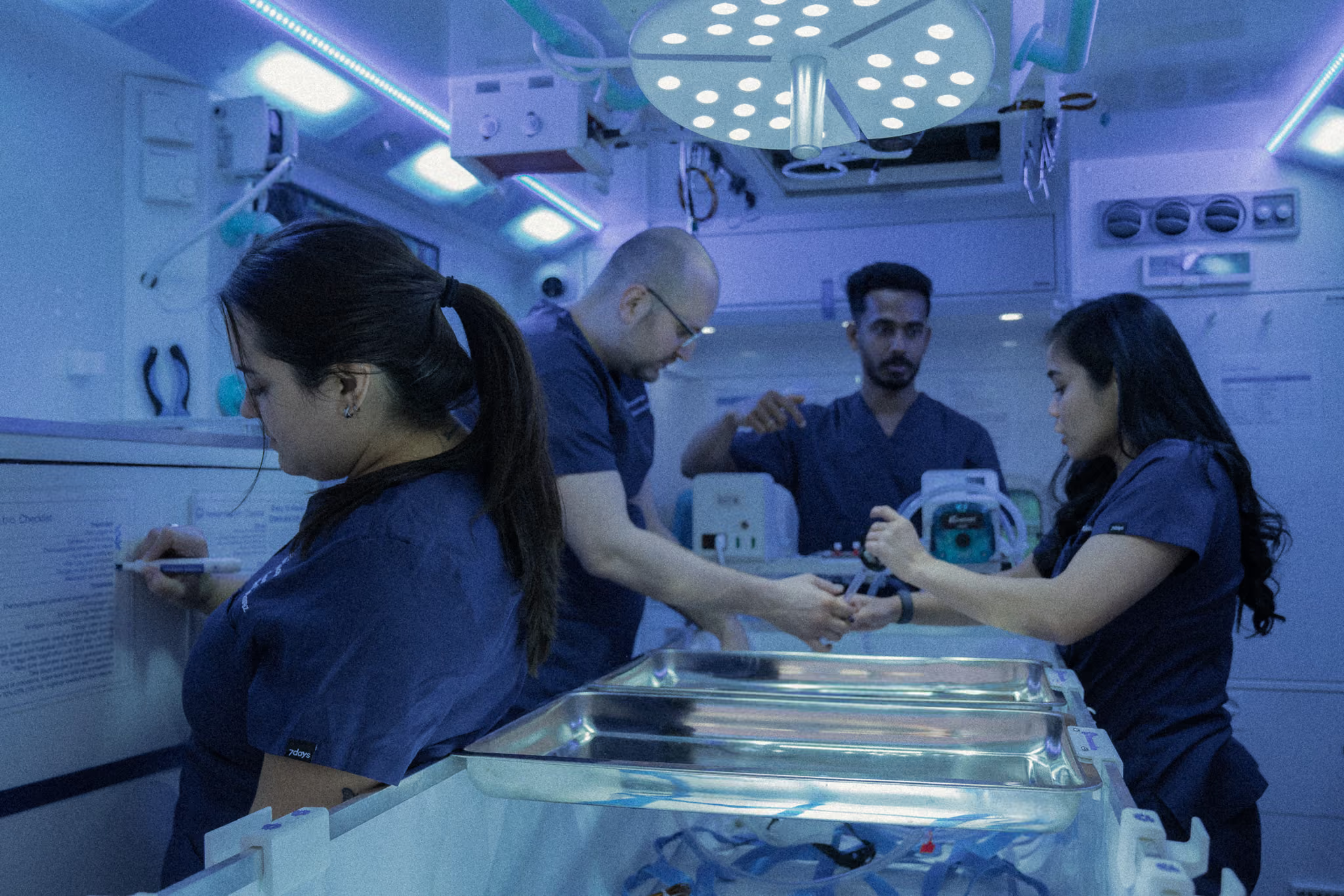
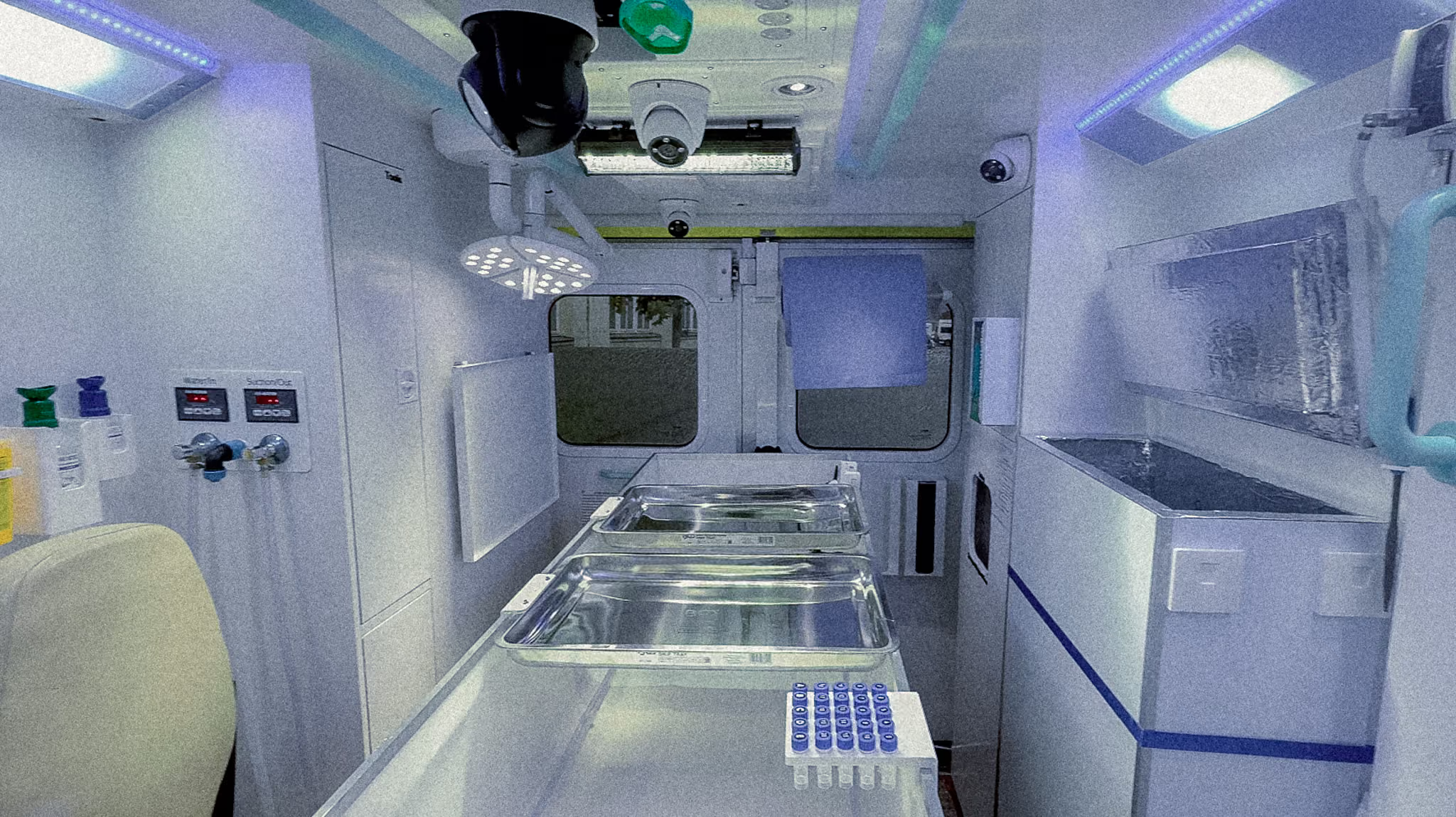
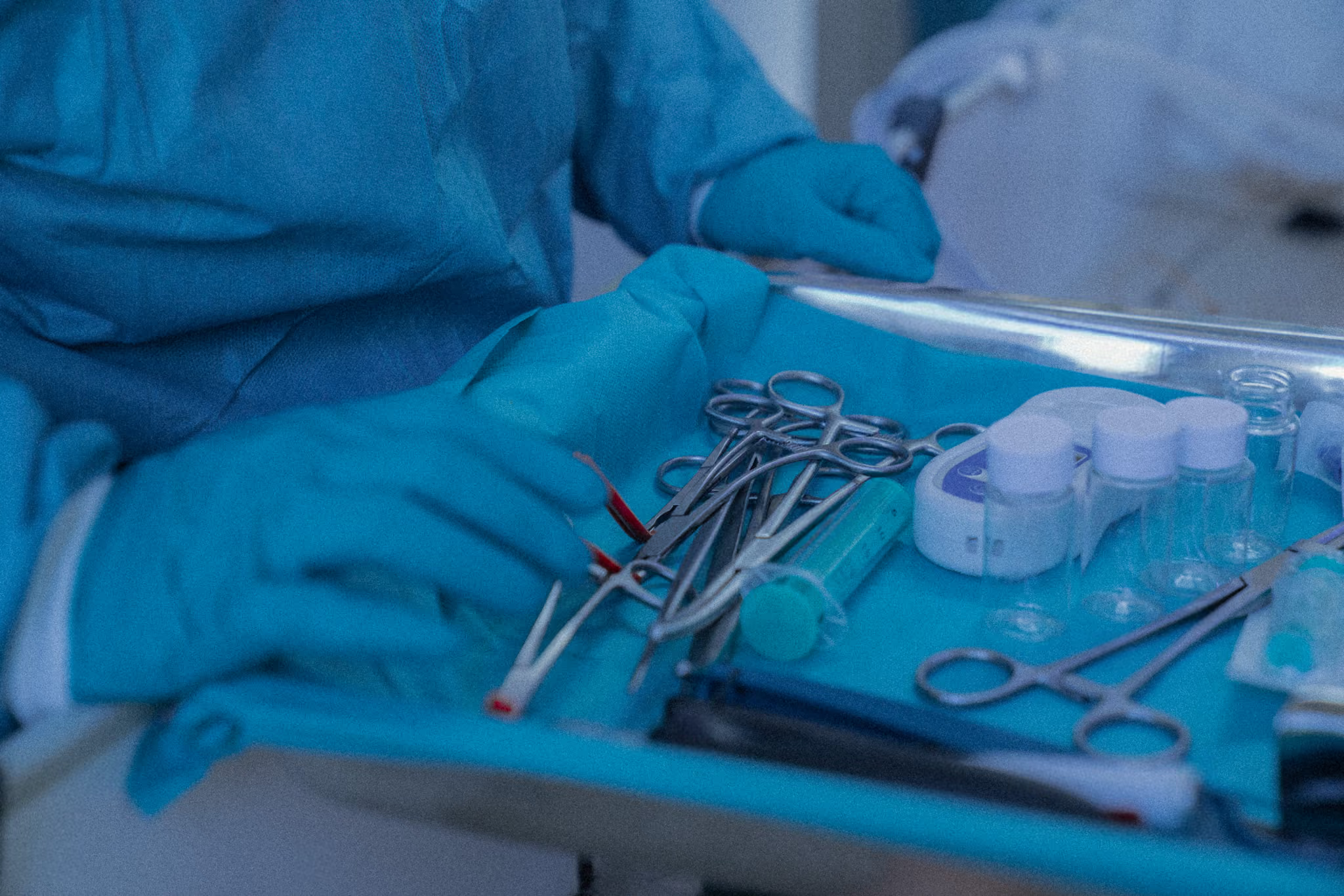
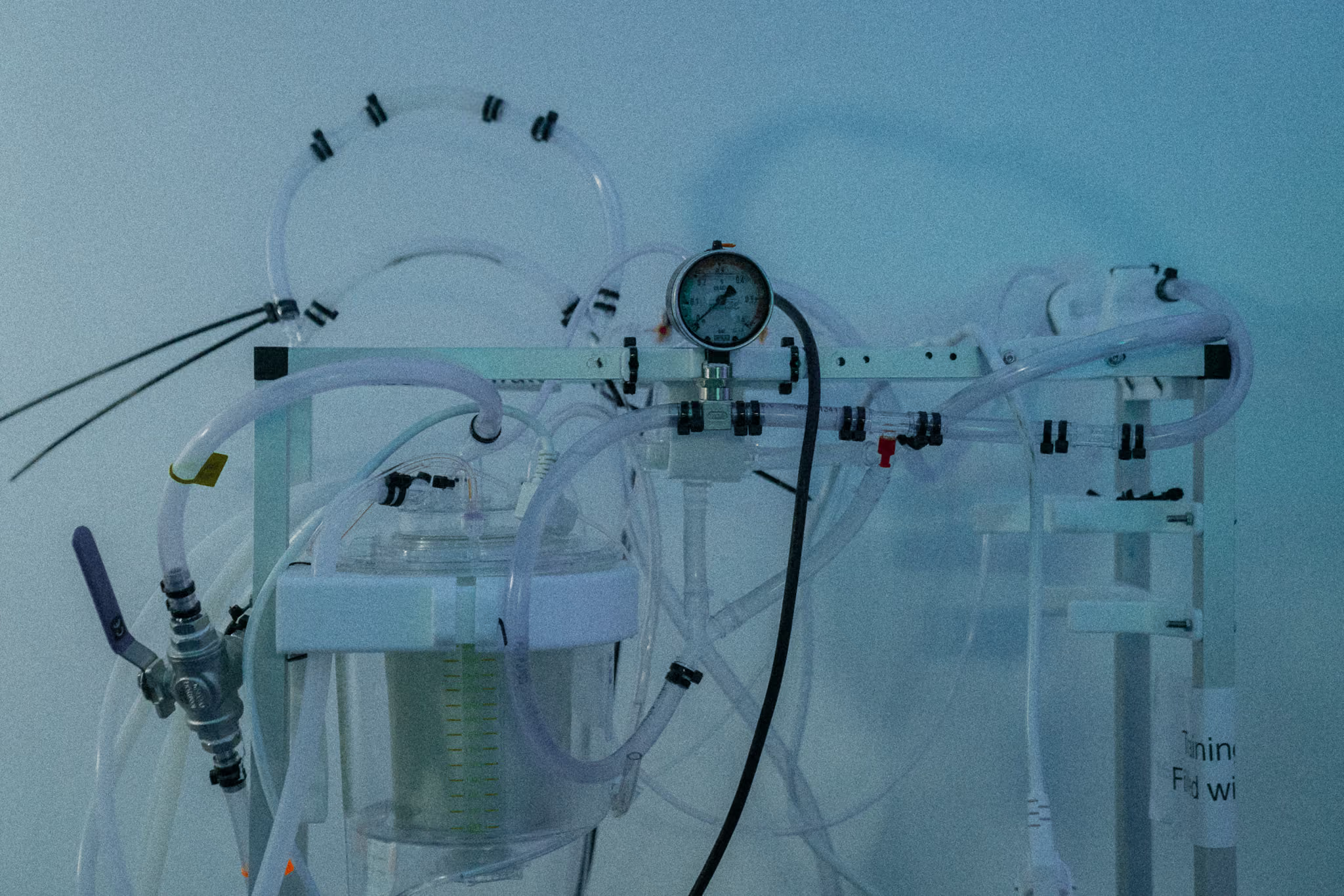
Purpose-built operating rooms on wheels. The full procedure happens on board.
We cool the patient down as quickly as possible using ice and water. Then we initiate cardiopulmonary support (CPS) and infuse them with neuroprotective and anti-clotting medication.
Our ambulances are fully equipped to perform field cryopreservation: we slowly replace the patient’s blood with cryoprotectant and cool them down further.
The patient is driven to storage in Switzerland. At the facility, we cool the patient to -120°C for vitrification (a glass-like transition of the body), then slowly to -196°C to minimize thermal stress.
Our core region is mainland Europe, the UK and Ireland, plus Florida, California and New York State. If you travel, get in touch and we plan around it.
We CT scan every patient to see where the cryoprotectant reached, and improve with every case.
Read our case reports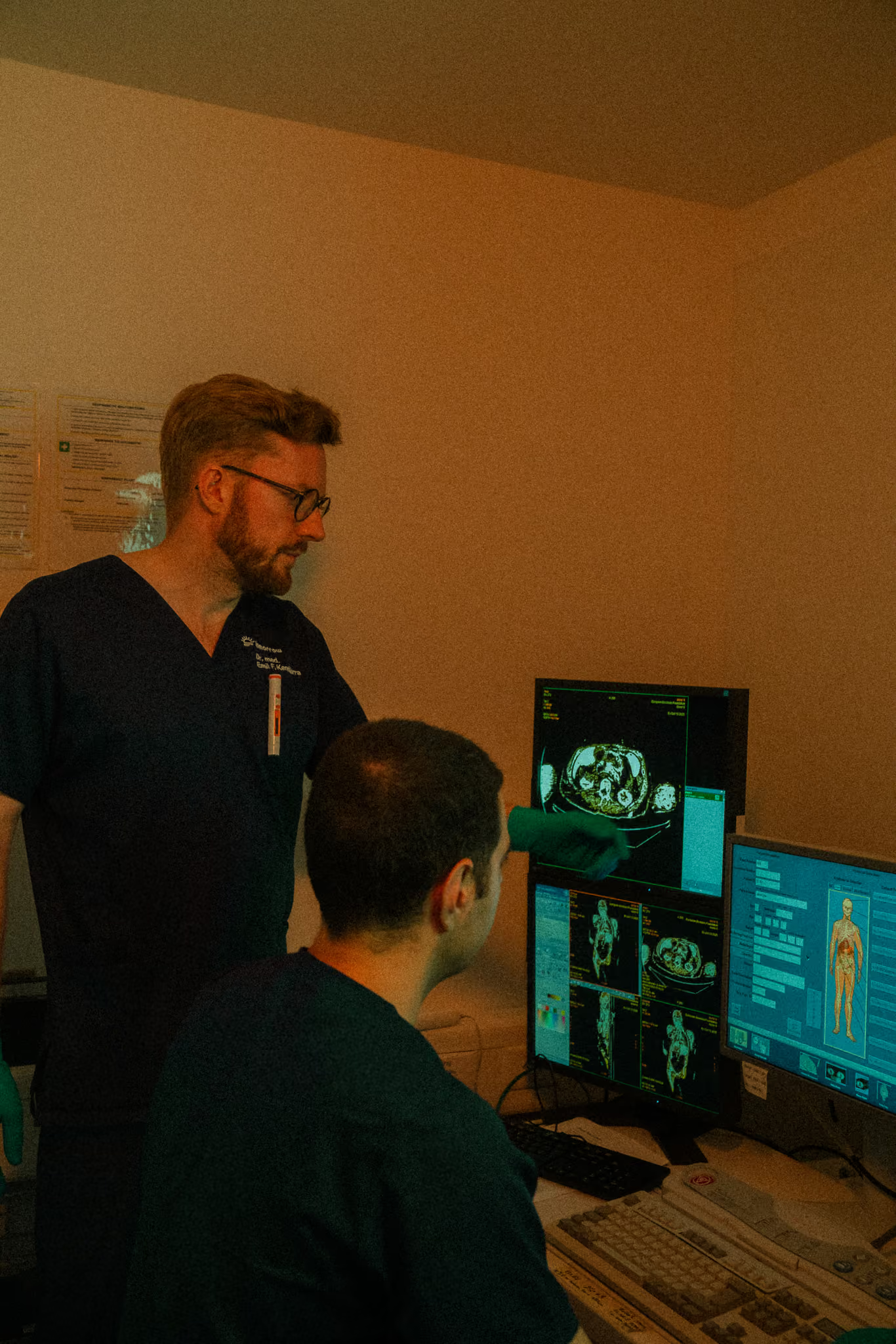
In a standard procedure the patient is stabilised and cooled on site, then transported on ice to a central facility, often in another country, before cryoprotection can begin. That transport can take a day or more, and throughout it the tissue keeps deteriorating. With field cryoprotection the perfusion is carried out where the patient is, inside our ambulance, usually within hours of legal death. The patient then travels to Switzerland already protected, so the long journey no longer adds damage in the same way.
We still respond, and your membership stays fully valid wherever you are. Outside our core region the team may need longer to reach you, and depending on local conditions part of the procedure may take place after transport rather than on site, which can affect the quality we are able to achieve. If you plan to move, travel for long periods or spend time somewhere remote, tell us early. We can often plan around it, for example by preparing local contacts or arranging for the team to be closer when the time comes.
Most deaths are expected in the days or weeks beforehand, for example after a terminal diagnosis. Members, their doctors or their relatives notify us as soon as the situation changes, and we stay in contact with the treating hospital or hospice. When death is close, the team and ambulance deploy near the member and wait, sometimes for several days, so the procedure can start the moment legal death is declared. For sudden, unexpected deaths we respond as fast as possible from our nearest base, and your emergency card and app help hospitals contact us immediately.
A CT scan lets us see inside the patient without any intervention. It shows how evenly the cryoprotectant has reached the brain and other tissue, where perfusion may have been incomplete, and whether ice has formed during cooling. Each result is reviewed by our team and compared against previous cases. This is how we judge the quality of every procedure on evidence rather than assumption, and how we find what to improve for the next patient.

