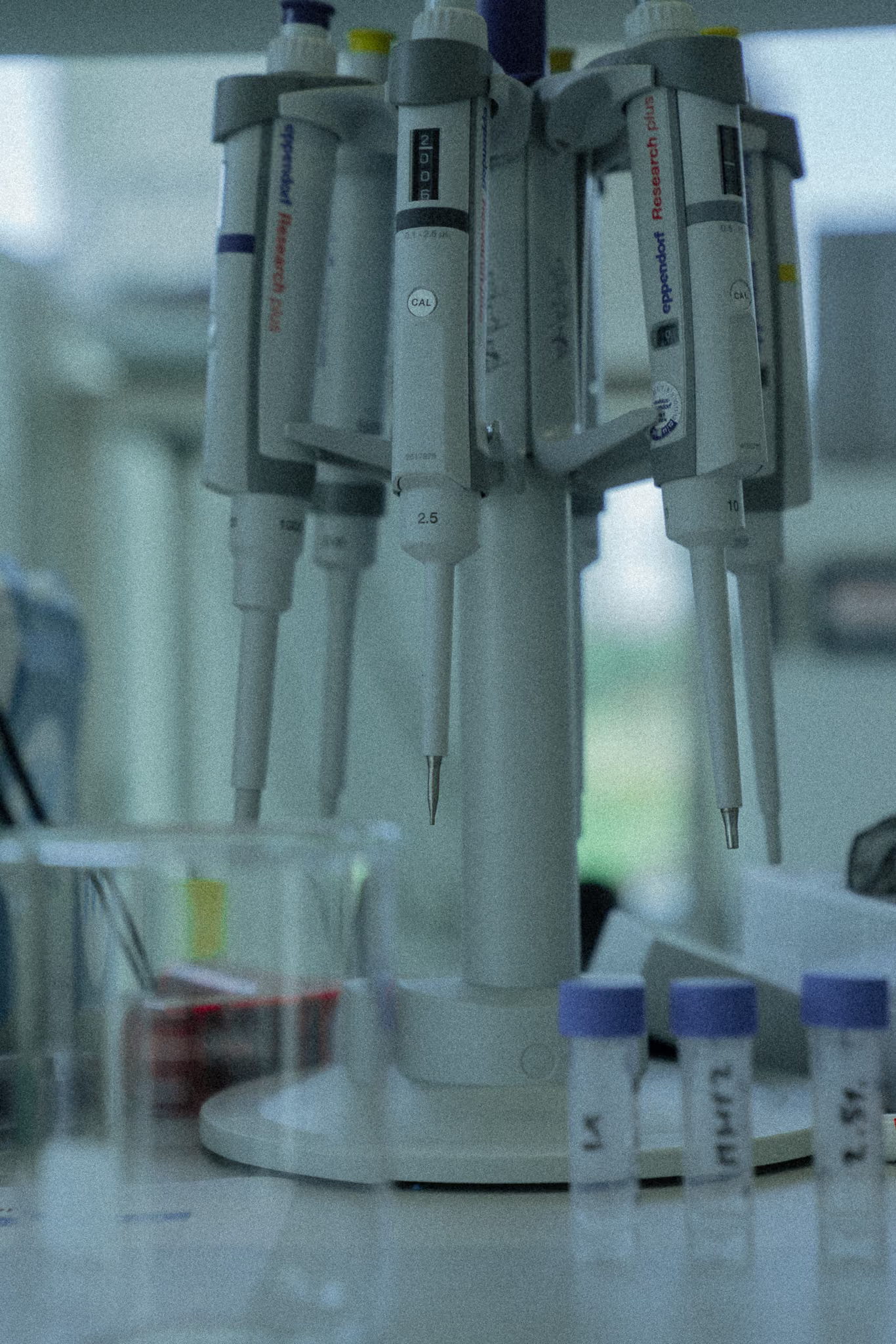
Our research follows one goal: the best possible preservation for every patient, whatever the circumstances of their case.
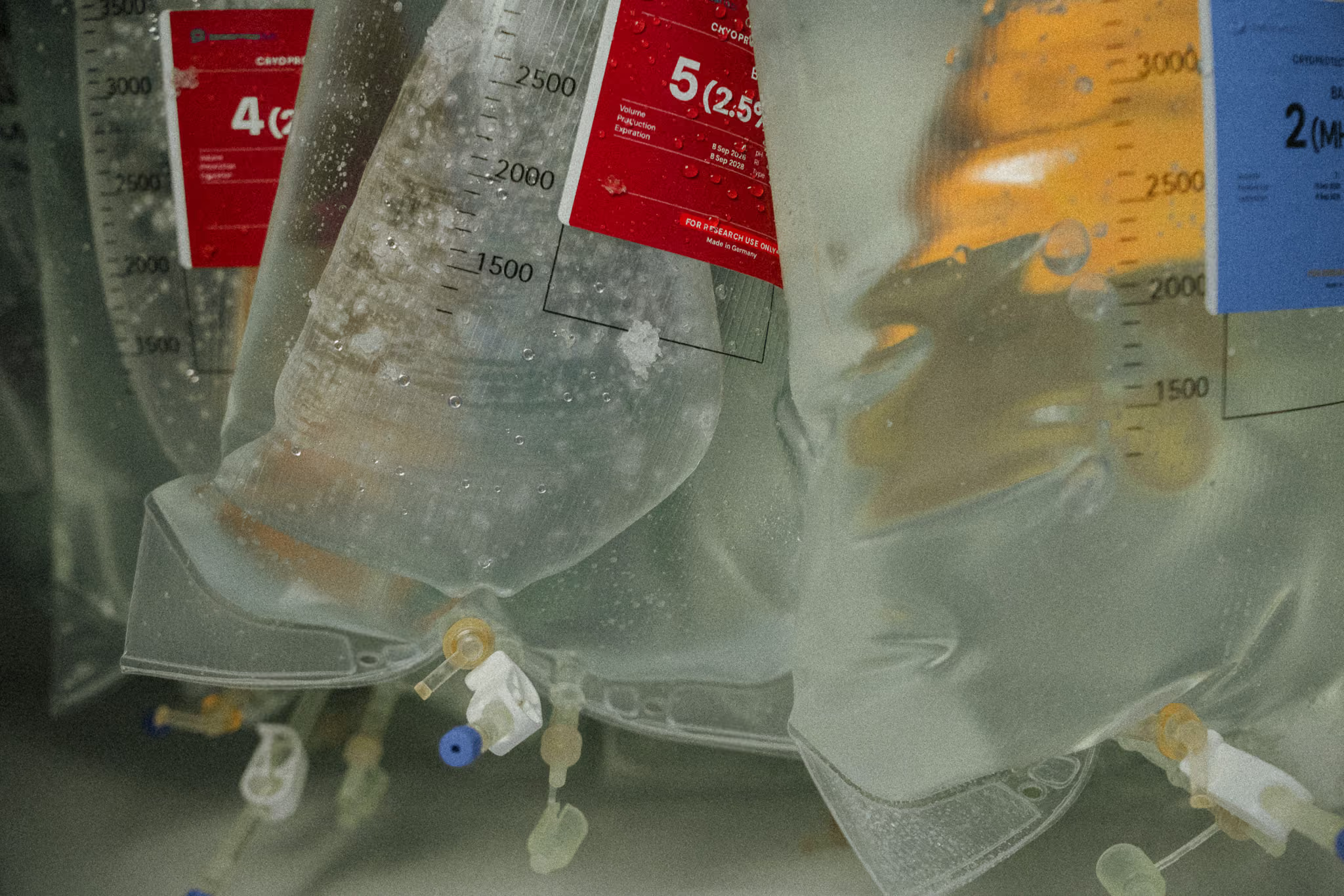
When our standby team is present and the procedure begins immediately, we can deliver cryopreservation under the best possible conditions. We continuously refine our perfusion, cryoprotectant loading, and cooling protocols to achieve the highest preservation quality possible.
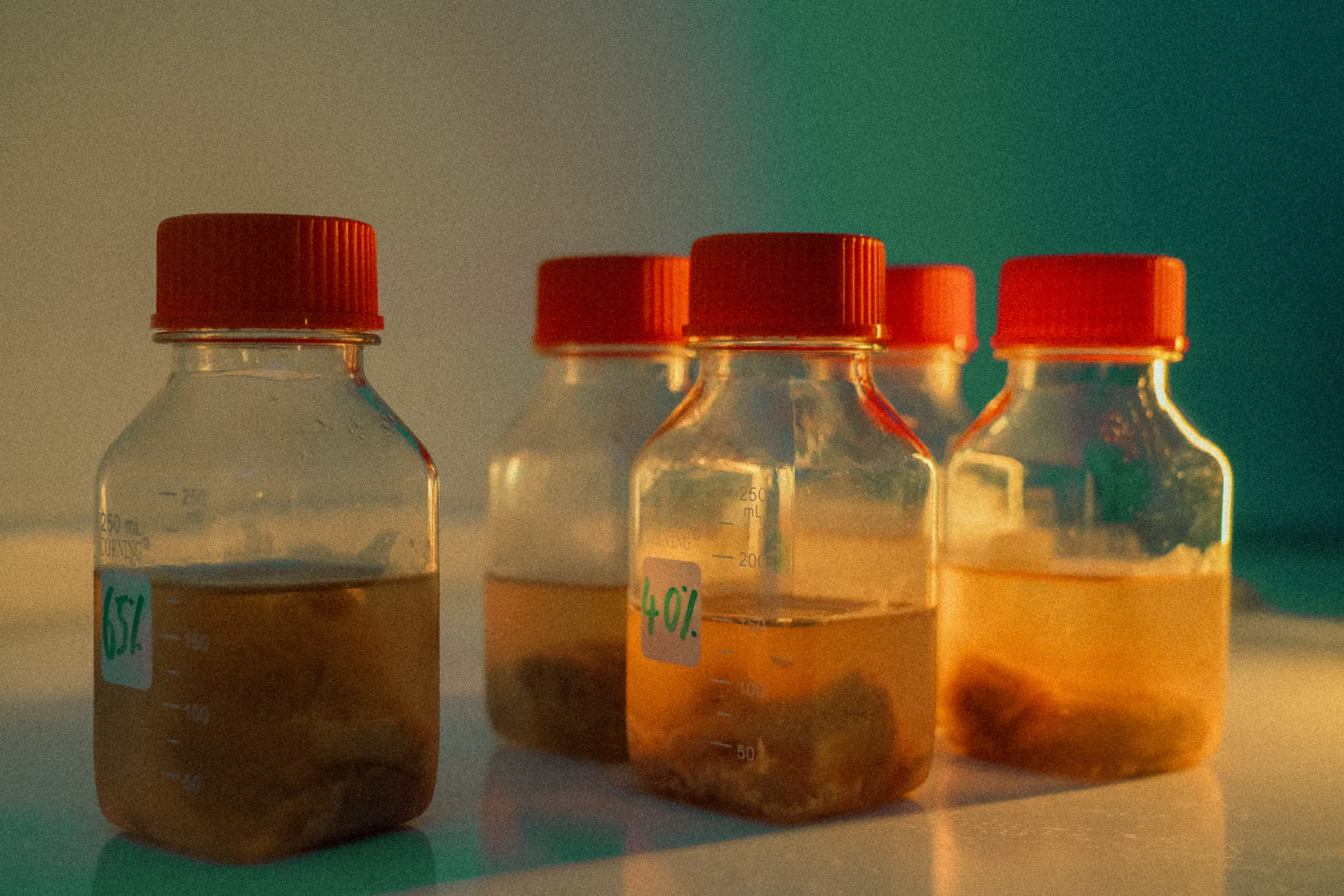
Many cases start late, after long periods of ischemia. We study how warm and cold ischemic time affect tissue, and adapt our protocols so late cases still get the best possible outcome.
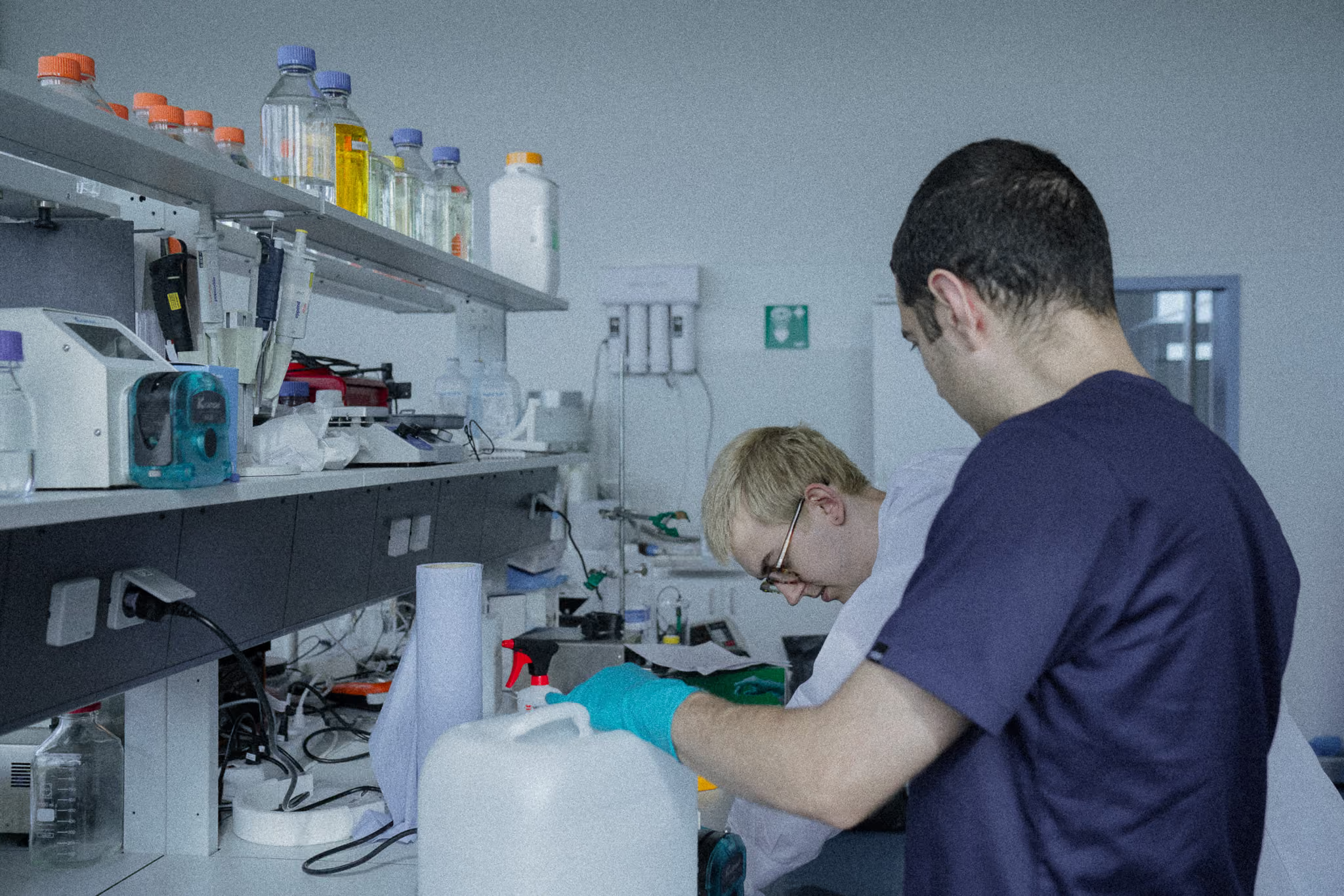
Revival is not currently possible. We support fundamental research into how preserved tissue could one day be repaired, and we are honest about how far away that is.
What our research team is working on right now, in our own lab and with partners.
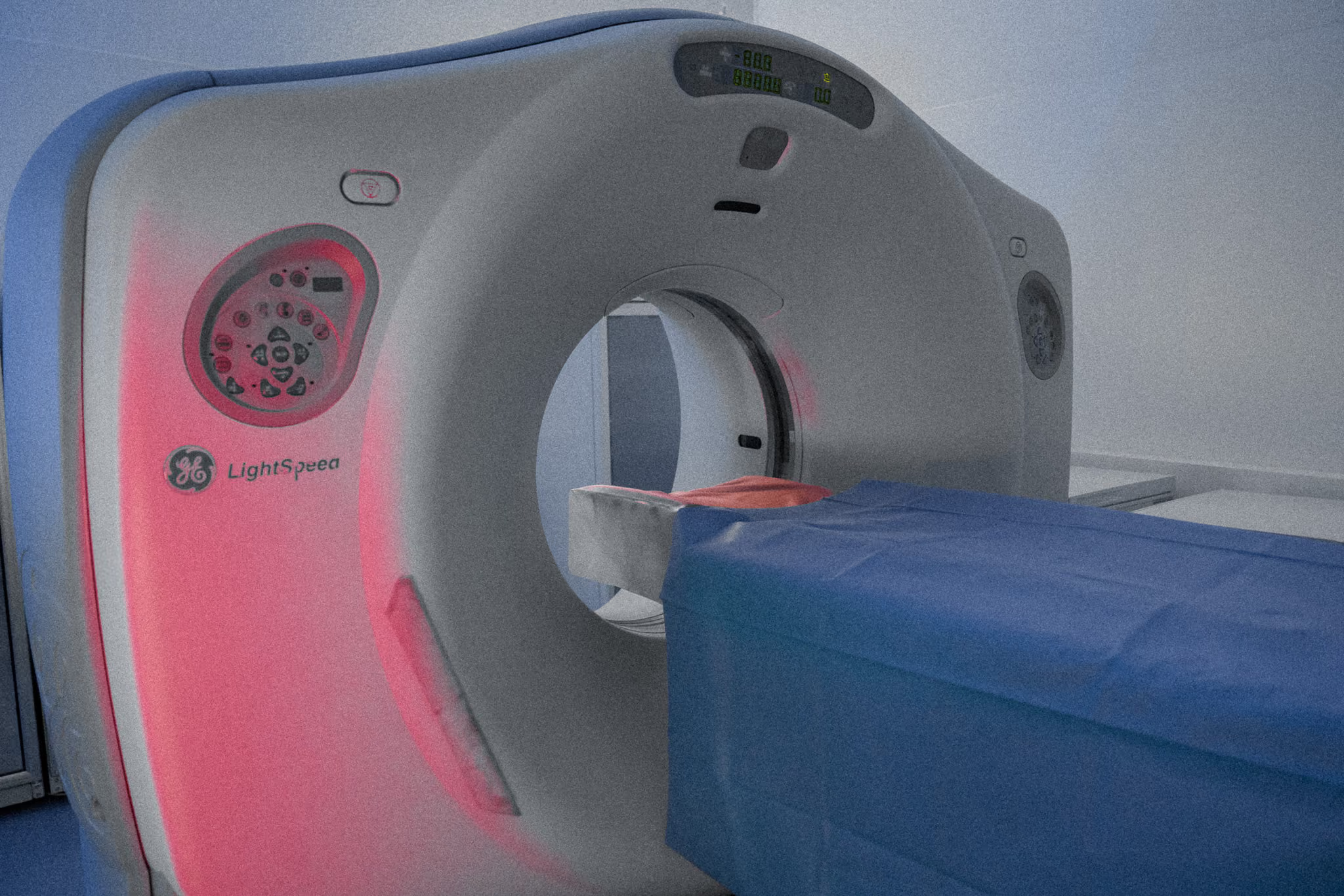
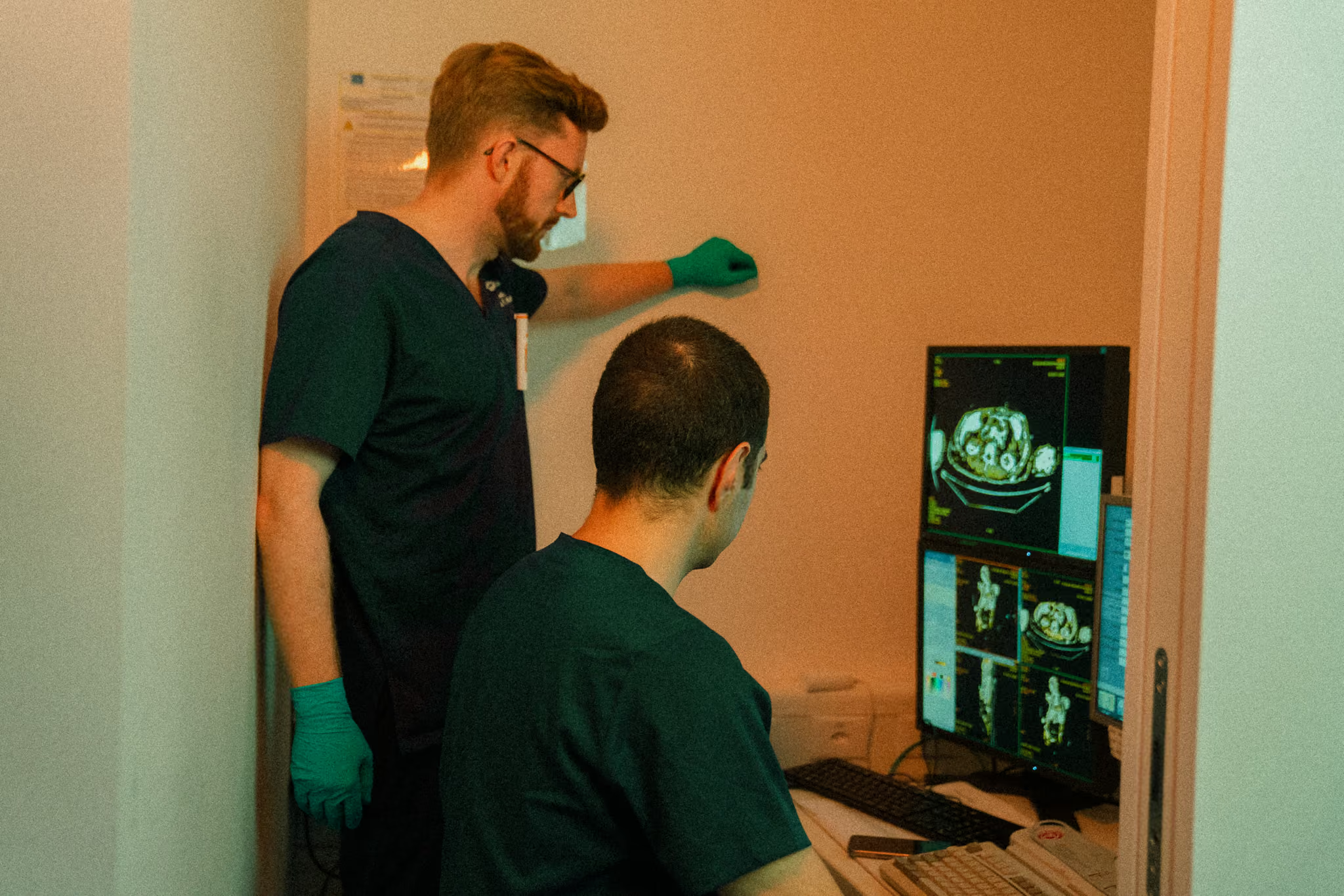
Every patient is CT scanned at -196°C before long-term storage. We are improving scan protocols and analysis to measure cryoprotectant distribution more precisely.
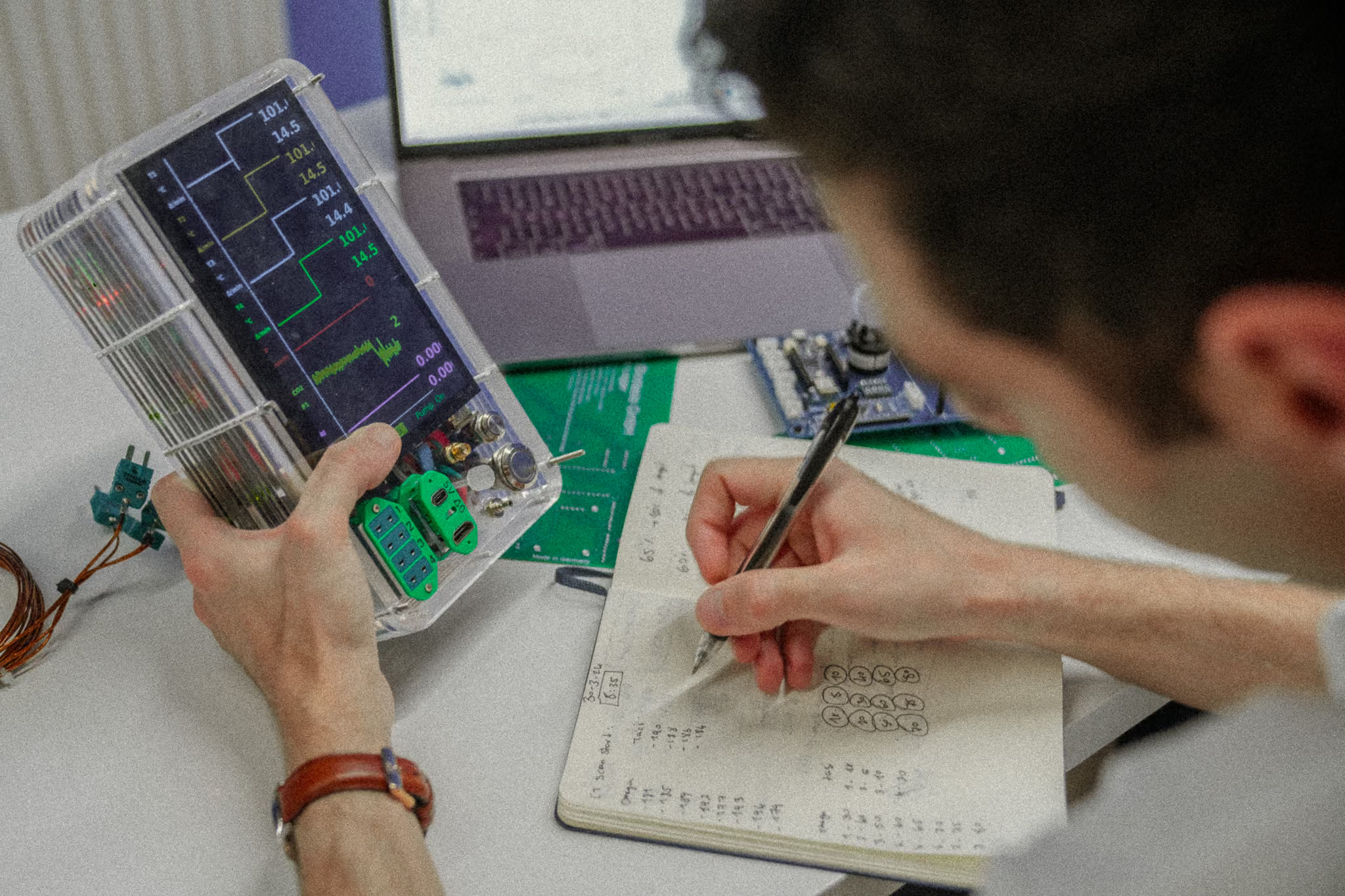
A logger that records temperature and key parameters throughout the procedure, from stabilisation to storage, so every case can be reviewed and improved.
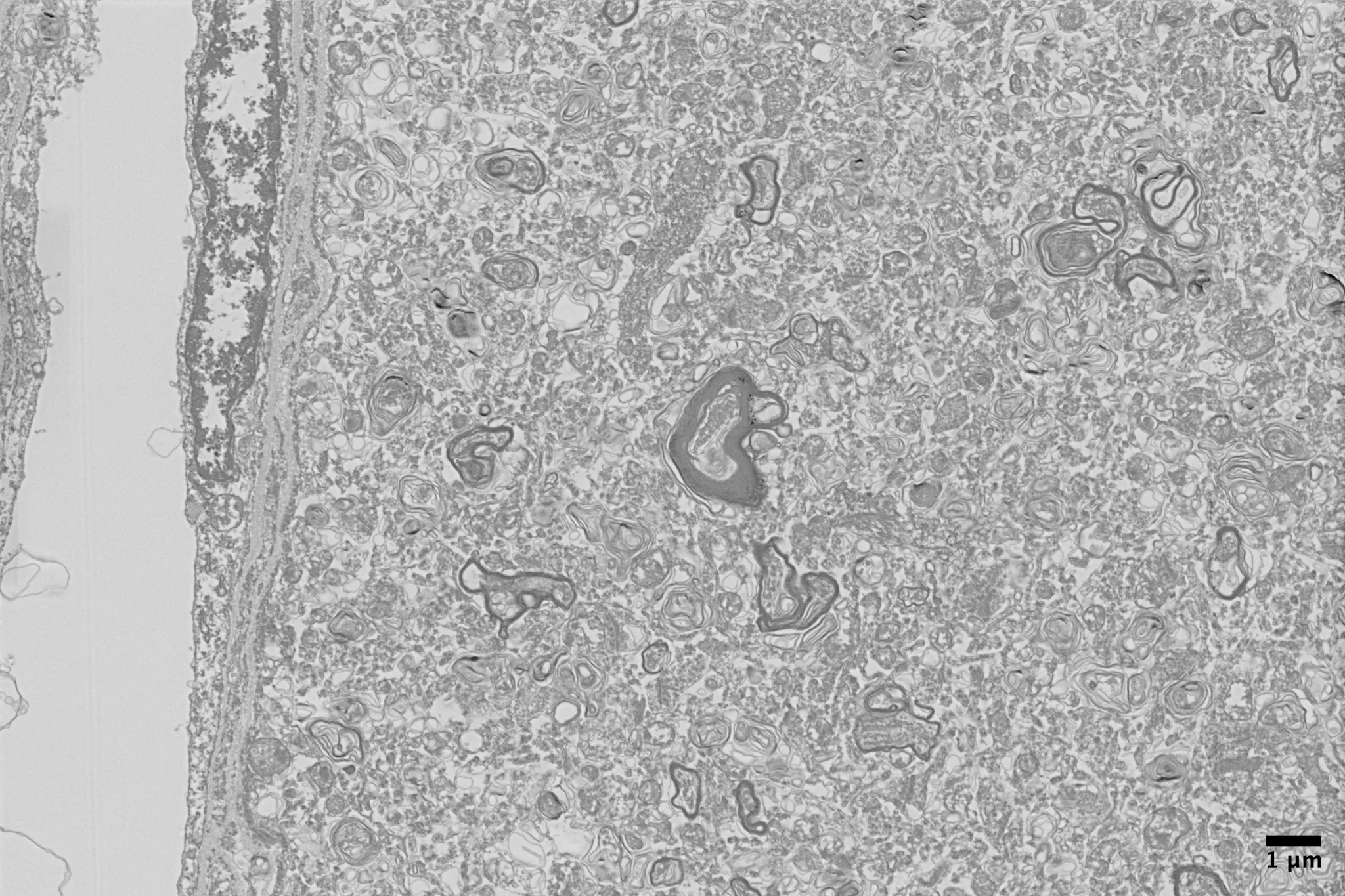
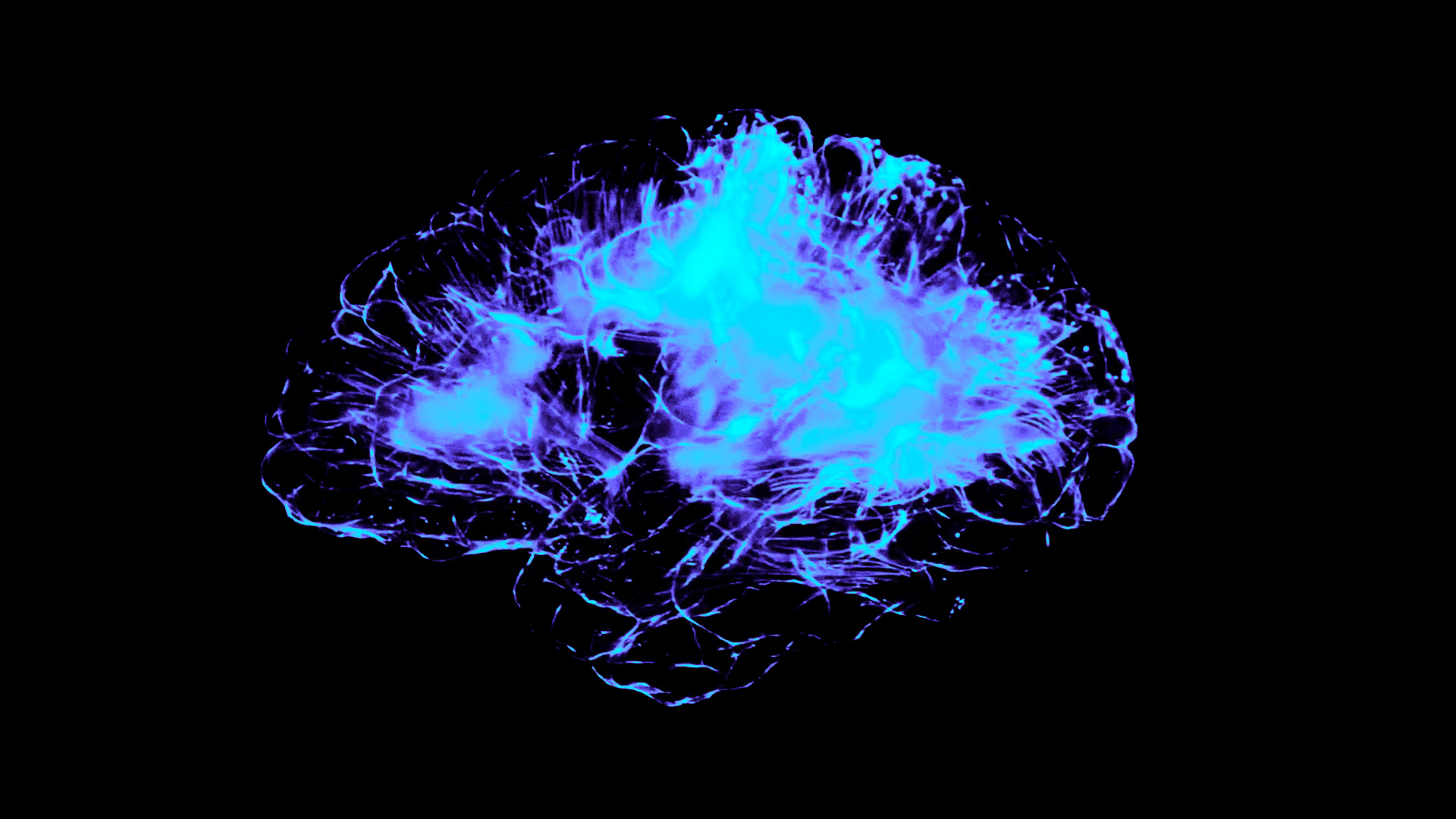
Imaging preserved tissue at the nanometre scale to see how well cell structures and synapses are retained after cryoprotection and cooling.
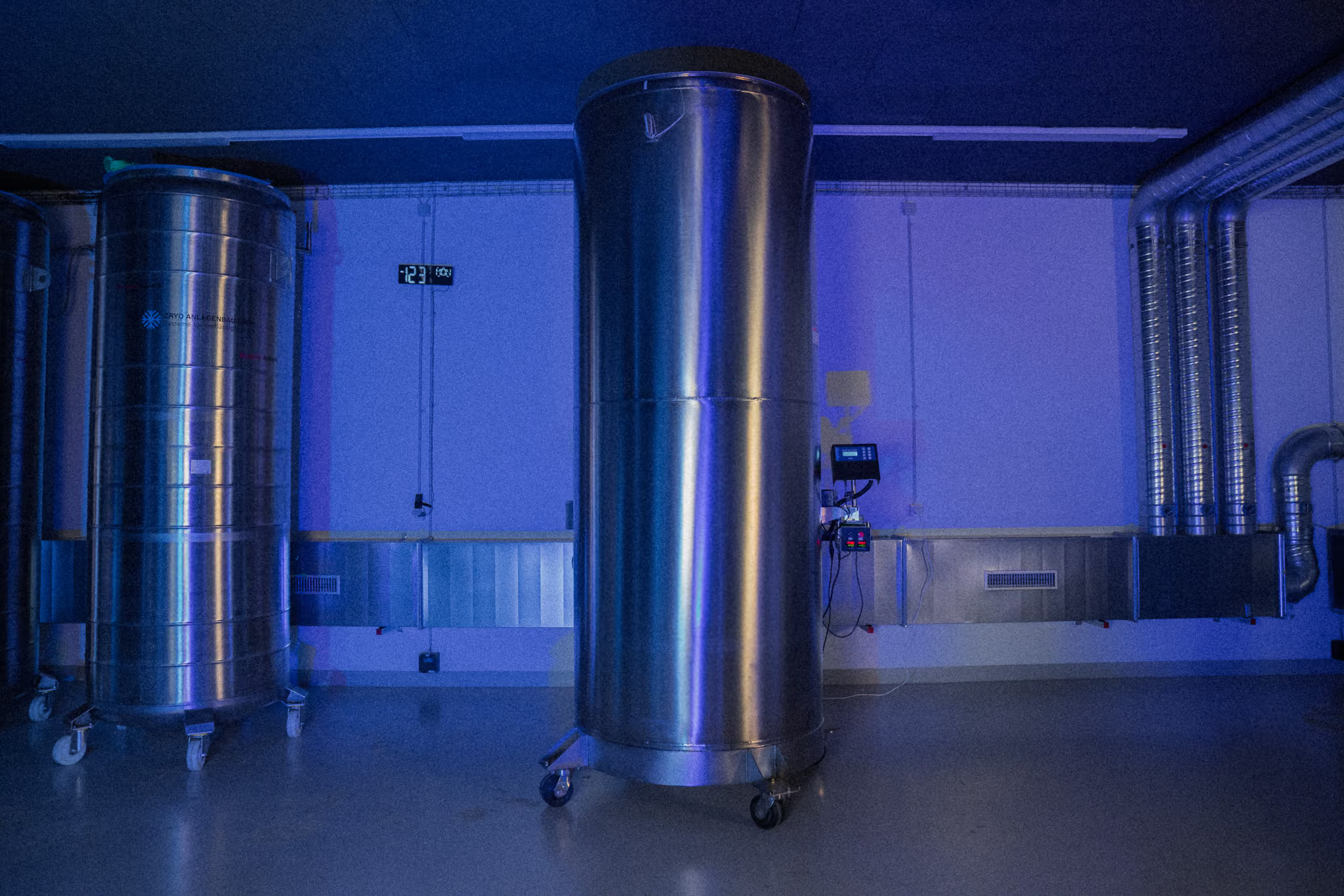
Enables long-term cryopreservation at ≈-140°C, just below the glass-transition temperature. This reduces the thermal stress that normally arises in the tissues during cooldown and, in turn, reduces fracturing/cracking. Under testing