Headquartered in the heart of Europe, Berlin, our mission is simple yet profound: to help people choose how long they want to live. Discover who, how, when, why.
Tomorrow.bio was founded in 2020 by Dr. Emil F. Kendziorra (a medical doctor) and Fernando Pinheiro (an engineer), and is the globally leading cryopreservation provider. Headquartered in the heart of Europe, Berlin, our mission is simple yet profound: to help people choose how long they want to live.
Our vision is that this choice should not depend on where someone lives, their background, or financial resources.
Cryonics, also called biostasis or cryopreservation, is an experimental procedure in cases where current medical technology cannot save a patient, for example terminal cancer. This procedure offers the opportunity to preserve the patient after legal death for the chance that future, advanced medical technology allows resuscitation and the continuation of the patient’s life.
At the time of legal pronouncement, a specialised cryopreservation team cools down the body as quickly as possible, supports the brain with oxygen, and replaces the blood and water in the body with a so-called cryoprotective agent to allow further cooling without freezing. The body is then placed in a long-term storage dewar at -196°C in liquid nitrogen at our cryopreservation facility in Switzerland. There is no degradation or aging, and once, or if, future technology advances enough, it might be possible to revive the patient.
Cryopreservation is not a guarantee by any means. We cannot yet say when or even if revival from cryostasis will be possible in the future. The only strong statement we are able and willing to make is that the probability is higher than with the alternatives, i.e. burial or cremation. Extensive informed consent is required before cryopreservation should or can be chosen.
Read the informed consent →More and more people are unwilling to accept death from causes that might be solved when technology and medicine advance. Cryonics is the best hope for life extension in the future.
Some of our members are simply curious to see the world of the future. What wonders will be brought on by great advancements in fields like space travel, robotics, and consciousness?
Today’s incurable disease might be curable in the future. Human cryopreservation is your best chance for a revival and cure once medicine has sufficiently advanced.
Of all the possible careers, hobbies, cultures, and lifestyles that exist, there are very few that can be explored in an 80-year life span. Which activities have you given up exploring because you didn’t feel there was enough time?
As scientists have gained a greater understanding of biology, it has become clear that diseases and aging are not inevitabilities but problems that science can solve. Cryopreservation is for those who are excited to be a part of the future and live extended lives.
Death doesn’t occur at the snap of a finger, it is a process. Modern civilisation and medical advancements have made it increasingly routine to distinguish between legal, medical, and biological definitions of death, which evolve as our knowledge progresses. Advancements like CPR led to the observation that what was once considered irreversible was, in fact, just a scientific discovery yet to be made. Now, death is viewed as a multi-stage process with many routes for intervention and treatment. This evolution caused cryonicists to develop the “information-theoretic” understanding of death:
“A person is dead… if their memories, personality, hopes, dreams, etc. have been destroyed… That is, if the structures in the brain that encode memory and personality have been so disrupted… that it is no longer possible in principle to restore them to an appropriate functional state. If the structures that encode memory and personality are sufficiently intact… and restoration to an appropriate functional state is likewise feasible… then the person is not dead.”
Biostasis is based on the premise that there are no known biological laws or principles that fundamentally prevent the successful long-term preservation and eventual revival of human beings at cryogenic temperatures. Scientifically, cellular degradation and irreversible damage after death occur primarily due to biochemical processes, enzyme activity, and microbial decay. Rapid cooling and administration of cryoprotectants effectively halt these destructive biochemical and metabolic activities.
Advancements in medical and biological sciences consistently demonstrate improved understanding and manipulation of cellular function, repair mechanisms, and revival of tissue viability following extreme preservation conditions. Humans have been doing this for decades, for instance through the cryopreservation of sperm, human eggs and embryos. Modern vitrification methods have already demonstrated successful preservation and recovery of tissues and small biological systems. Therefore, with ongoing technological advancement, there is strong scientific rationale supporting the feasibility of biostasis.
Historically, medical interventions once deemed impossible have become routine practice due to technological and scientific advancements. Several decades ago, the concept of heart transplantation was regarded with skepticism, perceived as medically improbable or simply impossible. Today, heart transplants, as well as transplantation of other vital organs, are standard, widely accepted medical procedures that save thousands of lives annually. Similarly, while biostasis may currently face skepticism, it stands upon a scientifically plausible foundation. The barriers are primarily technical rather than biological, suggesting that with sufficient progress in nanotechnology, molecular repair, and regenerative medicine, revival from cryopreservation may eventually become not only possible but routine.
A broad body of experimentation supports cryonics on a theoretical basis. There is no indication that it is scientifically impossible to resuscitate someone from preservation. Rather, science has just not advanced yet. This is why Tomorrow Biostasis and the EBF both lead and invest in the forefront of research, testing, and engineering to accelerate progress.
When organic matter is kept extremely cold, it can be preserved for very, very long periods of time. But there’s a problem with freezing an organism normally: its cellular structure becomes vulnerable to severe damage through the formation of ice crystals inside the cells, leading to the potential destruction of the entire organism. We don’t freeze people, even though we keep them at incredibly low temperatures. Instead, we keep them preserved using a procedure called vitrification.
Circulation and breathing stop. Potentially reversible by CPR.
The patient is declared dead. The ideal moment for our SST teams to intervene.
Structures that encode memory and personality degrade beyond repair.
Clinical death, the cessation of blood circulation and breathing, is the first step. It is potentially reversible by CPR. At this point, no neurological or physiological decay is present, and the body’s cellular tissue is still in a state of general functionality.
Then comes legal and biological death: the time after which the body may still have some biological functions, but has endured a (currently) irreversible cessation of either circulatory and respiratory functions or all functions of the entire brain. Note that even a century ago, what is now understood as reversible would have then had the same label. The patient is then declared “legally” dead, and this is ideally the point at which SST teams intervene to preserve the patient.
This is the logic used by cryonicists to preserve the structure of the body, even though someone has already been declared dead.
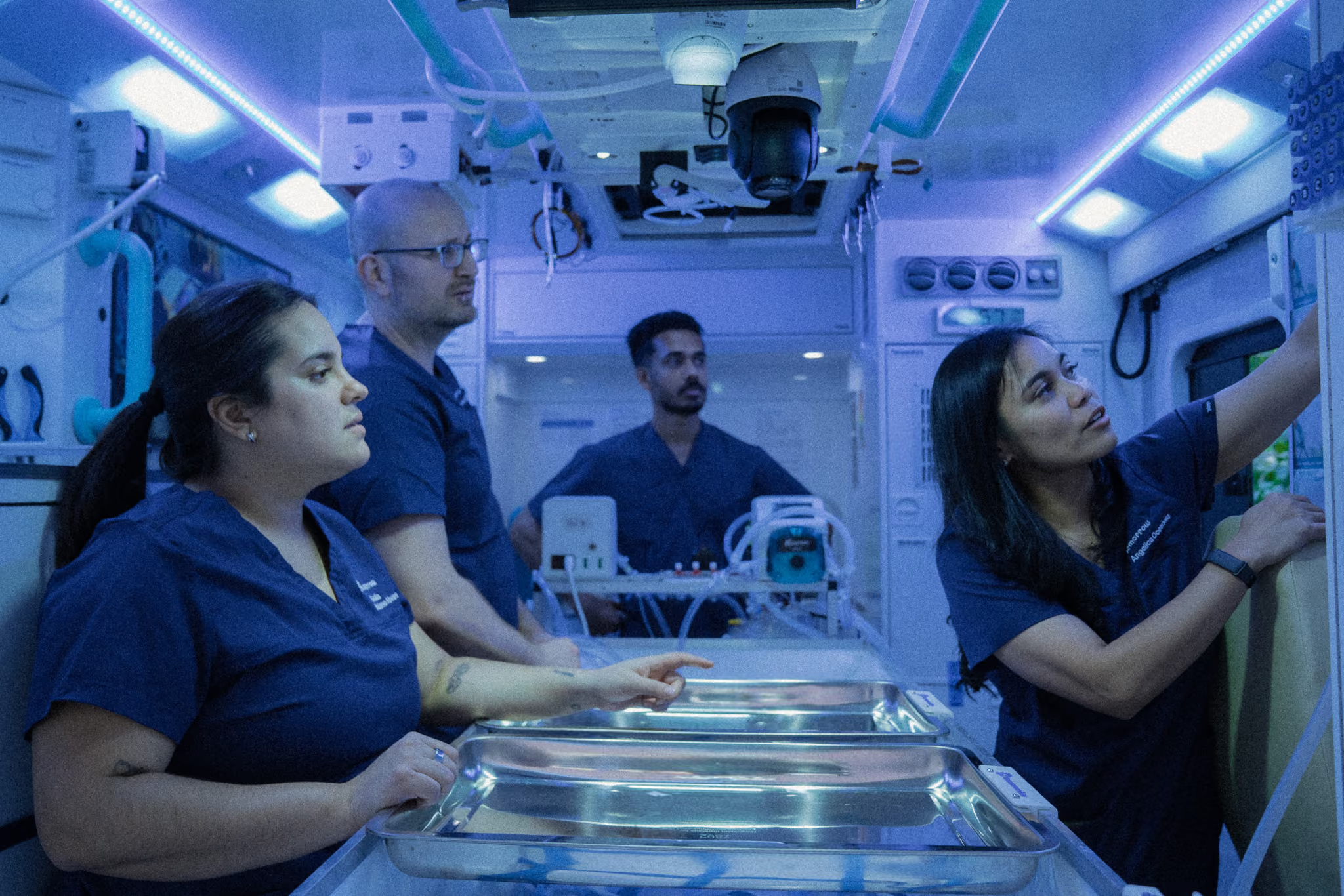
Tomorrow.bio is specialised in field cryoprotection, initiating cryopreservation immediately after legal death, before significant cellular degradation occurs.
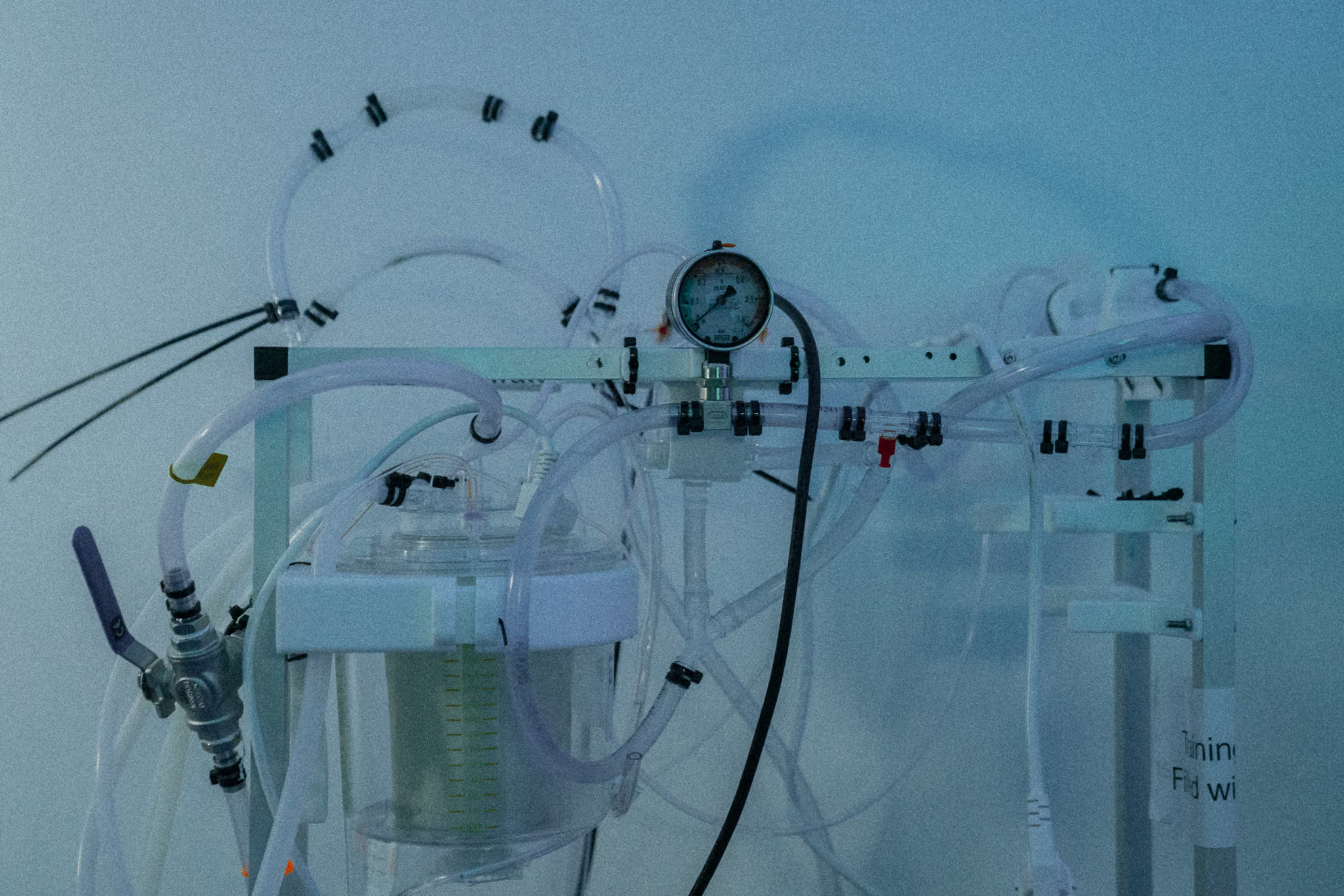
The process begins directly in one of our specialised ambulances (mobile operating rooms), with an open-chest procedure performed onsite. The patient’s aorta is cannulated and perfused with cryoprotectant agents (medical-grade antifreeze solutions) to protect tissues from ice crystal damage during cooling.
After reaching the right concentration of cryoprotectant in the cells, we rapidly cool the patient’s body to approximately -80°C, a temperature at which biological degradation is effectively halted.
The patient is then transported to our long-term storage facility in Switzerland, the non-profit European Biostasis Foundation (EBF).
Once at our facility, we initiate a computer-monitored cooling process over several days. Below -130°C, the patient’s tissues transition into a stable, glass-like vitrified state, preventing ice formation and further cellular degradation.
Once the patient’s body temperature reaches -196°C, the patient is securely placed into a dewar containing liquid nitrogen, maintaining a stable cryogenic temperature indefinitely.
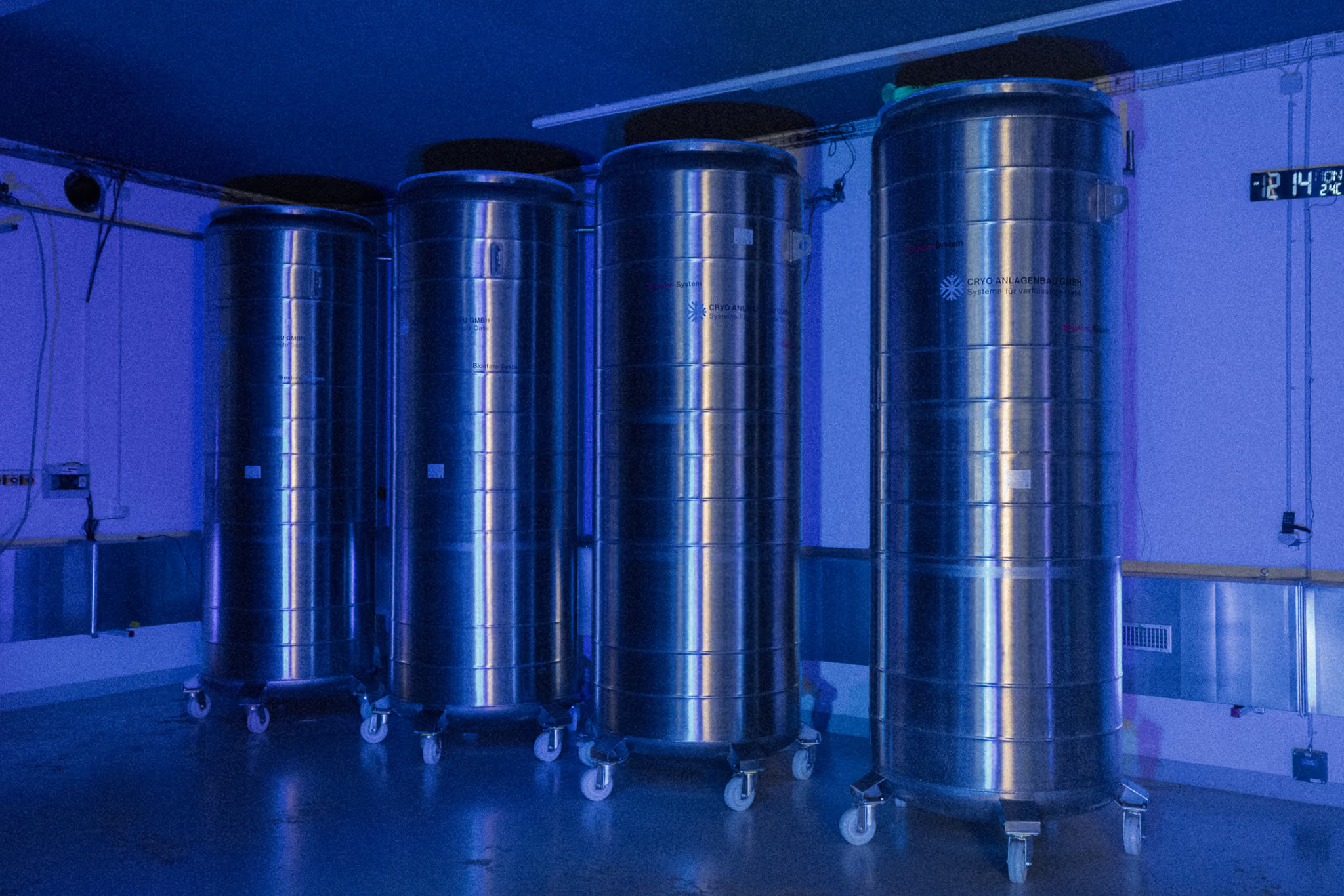
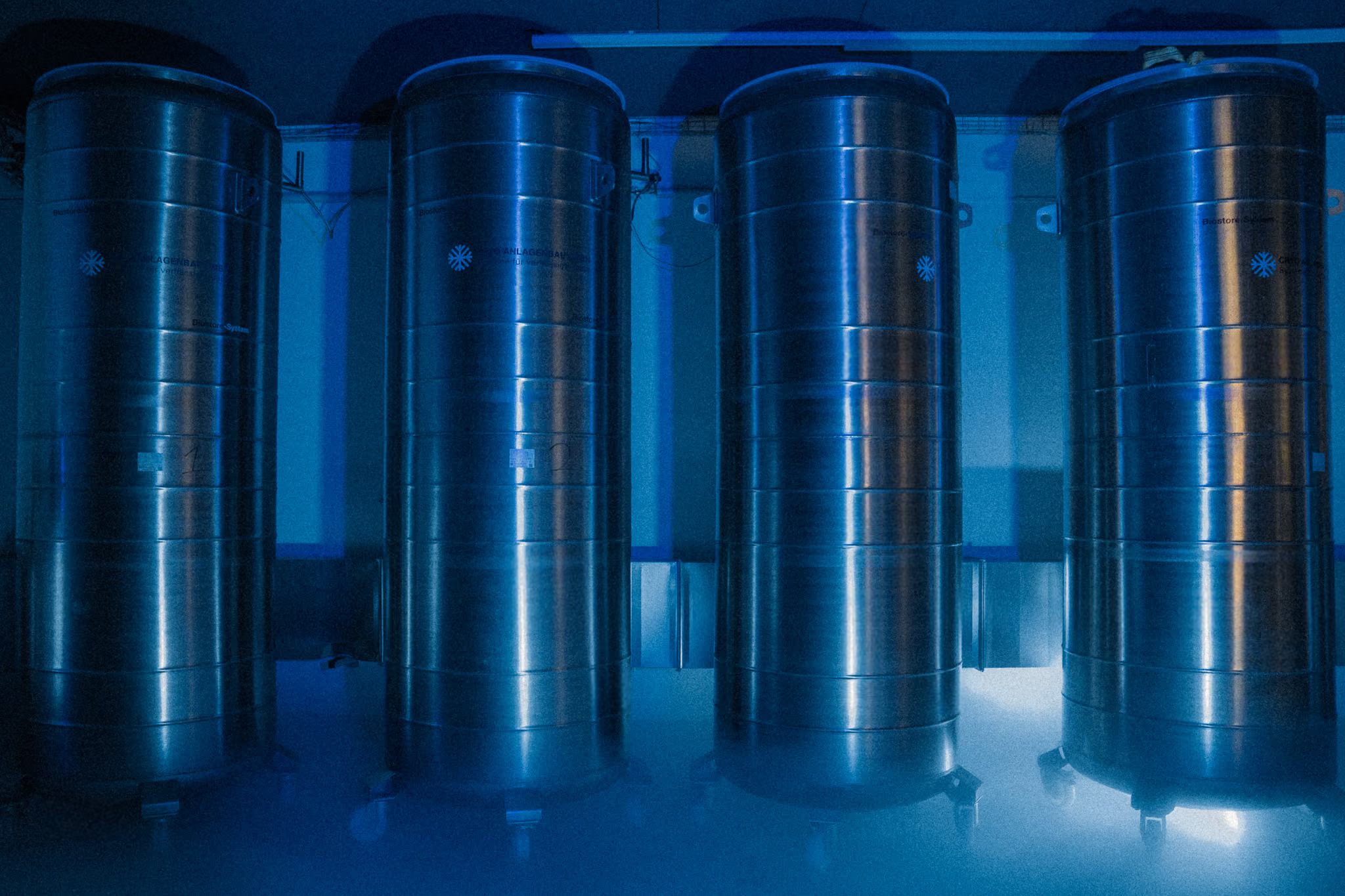
Cryopreserved patients are stored in specialised cryogenic storage dewars, which are more like advanced thermoses than freezers. These vacuum-insulated containers use liquid nitrogen to maintain ultra-low temperatures without the need for electricity, minimising heat transfer to preserve biological material.
Cryogenic dewars are designed to safely store cell cultures, tissues, and even cryopreserved patients, either whole-body or brain-only.
Made from durable stainless steel, each dewar requires regular refilling with liquid nitrogen to compensate for inevitable losses due to evaporation. This system is both efficient and cost-effective, ensuring patients are securely preserved for as long as needed until potential revival becomes possible in the future.
Given that the revival of cryopreserved patients requires significant scientific advancement, it’s not possible to say if and when revival will be possible. However, there is no fundamental biological reason why revival is not possible. And the good news is that there is no time limit to how long you can be cryopreserved without degradation.
Cryopreservation is a complex process, and we believe transparency is essential. Every step of our operations is open and accessible, ensuring our members and their families fully understand the service they are investing in. This commitment extends across our partnerships, research efforts, and the care we provide to each patient.
In July 2024, Tomorrow.bio expanded operations to the US, bringing the same rigorous German and Swiss quality standards that have earned us a reputation for excellence in Europe. No matter where our members are located or traveling, we ensure they are covered by the highest standards in cryopreservation services.
Our research efforts are aimed at continuously improving the quality and outcomes of cryopreservation. We develop engineering solutions for immediate improvements in preservation cases and conduct long-term research to advance biostasis science and cryonics for future generations.
Our patients are stored in state-of-the-art facilities at the European Biostasis Foundation (EBF) in Switzerland. This underground facility is run by EBF, a non-profit organisation that works in partnership with Tomorrow.bio to ensure high-quality, secure, and ethically managed cryopreservation services.
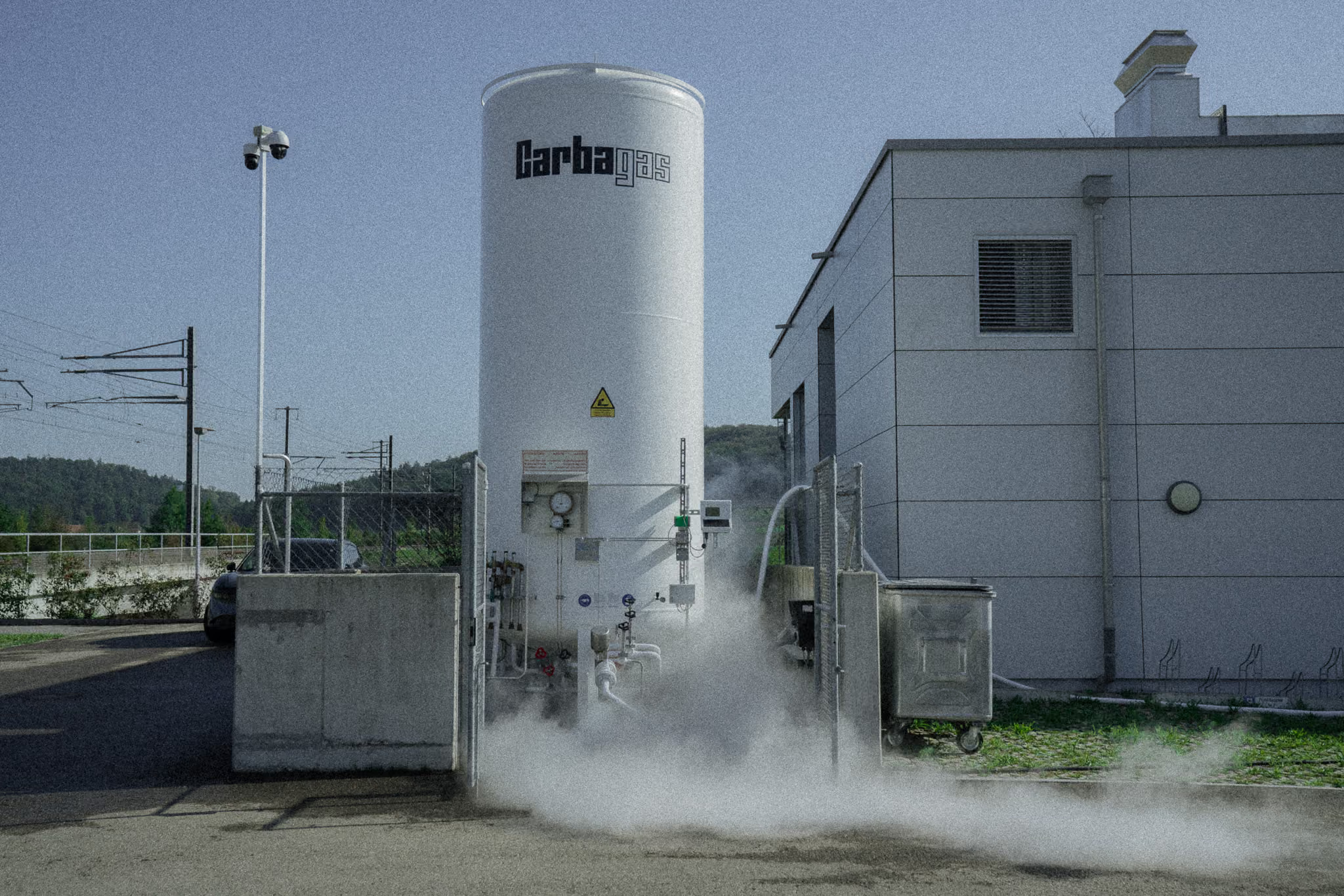
Tomorrow.bio stores its patients at the European Biostasis Foundation’s underground facility in Switzerland. This facility was specially designed for long-term stability and security: Switzerland is Europe’s most stable country, politically, financially, and socially. It’s extremely safe, with no natural disasters.
Operating as a non-profit in Switzerland means that any changes to the mission of an organisation are incredibly difficult, if not impossible. This legal framework ensures that EBF remains committed to its purpose, providing long-term security for its goals.
Geographically, Switzerland is one of the safest countries in the world, with minimal risk of natural disasters. This contributes to the country’s stability, ensuring a secure environment.
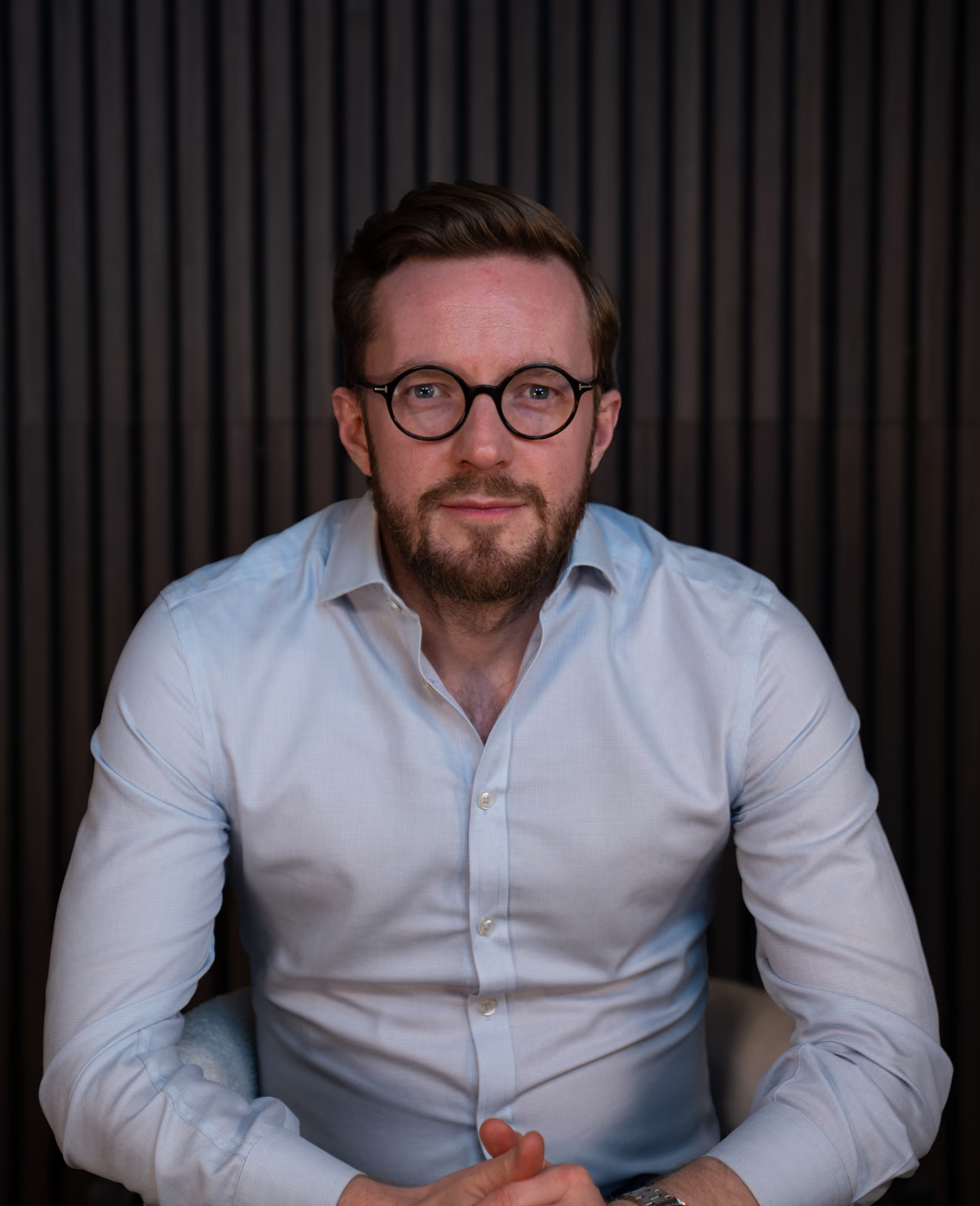
Dr. Kendziorra, a medical doctor and former cancer researcher, transitioned to the field of biostasis after realising that traditional longevity science wasn’t advancing fast enough to solve the challenges of life extension.
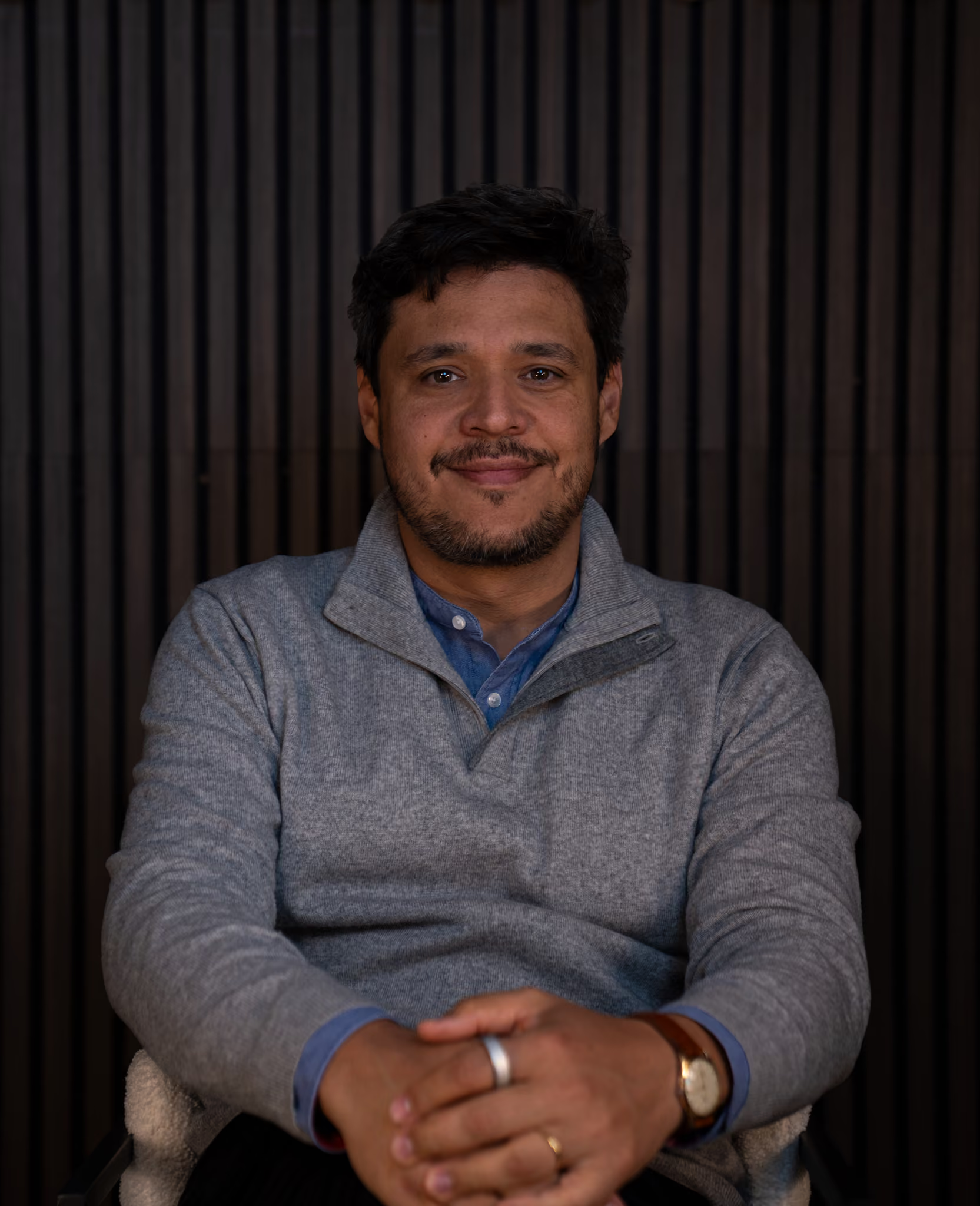
Fernando Pinheiro, an industrial and civil engineer with extensive experience as a tech entrepreneur, brought his expertise in large-scale operations and innovation to Tomorrow.bio. Together, they have built a company focused on scientific excellence and personalised service, ready to guide you toward a future filled with possibilities.
“We are making a bet on future technologies. I don’t want anyone to choose cryopreservation if they are not fully aware of the uncertainties involved.”
More and more people are becoming Tomorrow.bio members every day.
Offers medical teams for standby and preservation, manages patient contracts, and ensures A to Z high-quality services.
Safeguards patients’ bodies and funds, ensures secure long-term cryopreservation, and oversees the activities of the EBF.
Manages the underground storage facility for cryopreserved patients and advances biostasis research.
To provide the best cryopreservation service, both growth and stability are important. Growth is important because it will allow us to significantly decrease the cost of cryopreservation in the long run, invest in important cryopreservation research, and make the overall field more stable.
For the security of our cryopreserved patients, long-term care must be done with non-profit organisations that are specifically optimised for maximum stability and security. This is why cryopreservation maintenance is handled by the PCF and EBF. The division of responsibilities between these three organisations allows our members to benefit from the effects of growth without any compromise in long-term stability.
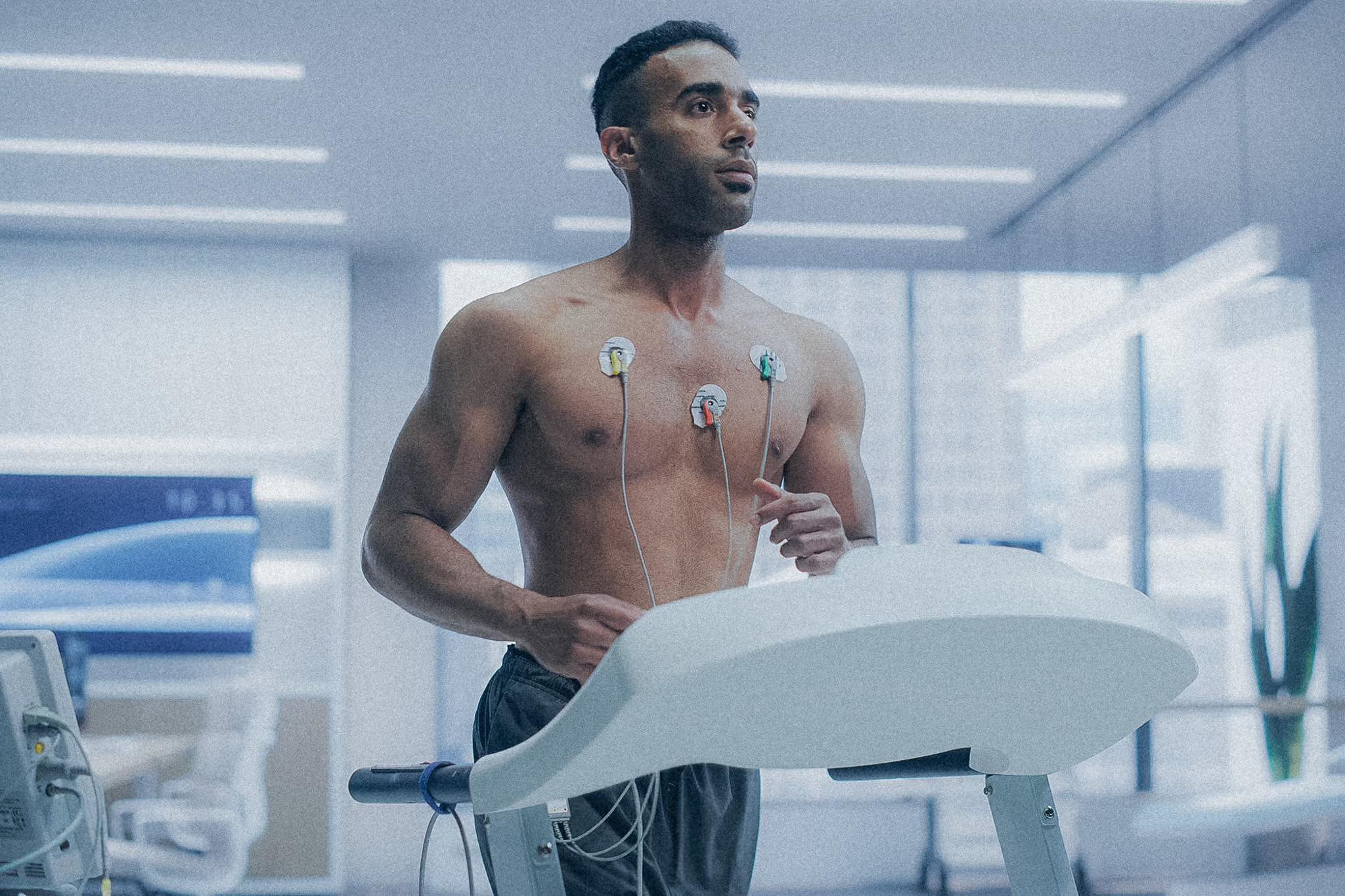
Already part of your membership, at no extra cost. Every member gets a dedicated Lifespan Extension Expert. No add-on, no upgrade. Open your Member Zone and book your first session.
Most longevity clinics focus on small optimisations. We do not. People who choose cryopreservation think long term, not in years but in decades and centuries, and that journey does not start at the end of life. It starts now. The longer you live well, the less you need the safety net. And a healthier body also makes for a better cryopreservation: healthier vasculature helps perfusion, and more time gives us more time to improve our procedures.
Your first session is about you: your habits, your goals and what feels realistic. From then on, the same expert stays at your side.
The Compass looks at five systems you can influence, shows where you stand, and helps you and your expert decide what to focus on next.
Upload a lab report or DEXA scan you had done elsewhere, or connect your Oura Ring. We turn it into clear markers you can follow over time.
Book a session whenever you need one. Every conversation stays in your Member Zone, in your own language, so you can always look back.
Five systems you can influence, where you stand on each, and what is worth focusing on next. It gets sharper the more you share.
Book sessions, message your expert and review every conversation. Your expert answers in the language you write in.
Upload a lab report or DEXA scan and follow clean, tracked markers over time. Encrypted, stored in-region, deletable at any time.
Connect it in your Profile and your sleep, recovery and activity feed straight into your Compass.
Add your partner, parents, children or friends. They get their own Compass and expert, with no need to decide on cryopreservation.
The Lifespan Extension Program is an educational and lifestyle program. Your expert is a lifespan extension coach, not a doctor. When something belongs in a doctor’s hands, they will tell you so and point you there.
Start your journey now, decide later. You do not need a cryopreservation contract to join. Become a member, book a free consultation, and see how we work first.
Our pricing is designed to offer value, flexibility, and savings to all our members and is made up of two types of fees: the membership fee and the cryopreservation cost.
Pays for the ongoing operation of Tomorrow.bio and ensures 24/7 availability of our medical teams, as well as the essential equipment. You pay it until you are cryopreserved.
Pays for the cost of the preservation process, the transport and indefinite storage in our Swiss facility.
Pay as you go: the monthly plan allows you to pay for the membership in instalments.
Gives you two months for free and unlocks a 5% discount on insurance quotes from our European insurance partner.
Locks in your membership with one payment, meaning you never need to worry about additional payments.
The cryopreservation can be funded through various methods. In most cases we recommend term life insurance, a risk insurance that provides immediate and full coverage for the €200,000 or €75,000 needed.
Most of our members will live past the end of their term life insurance, so they will need to provide a funding method that can take over once the term ends: extend the term life insurance, fund the transport and storage directly, a last will and testament or whole life insurance, and many more.
For anyone deciding on cryopreservation at the last minute without being a Tomorrow.bio member, we have introduced special prices to cover last-minute legal fees, standby teams, and procurement of cryoprotectants.
Use our calculator to figure out the expected cost of your cryopreservation plan, including membership and life insurance. Five answers and we send you your personalised quote.
Indicative only. The insurer confirms your premium after a short health questionnaire.
Tomorrow’s cryopreserved patients are stored at the European Biostasis Foundation (EBF) in Switzerland. EBF is a non-profit organisation with complete financial independence. The funds to keep patients cryopreserved are managed by the Patient Care Foundation, a private benefit organisation. This means that cryopreserved patients would not be affected if Tomorrow ever ceased its operations.
It is unfortunately not possible to answer either of those two questions definitively. Revival depends on significant advances in medical technology that cannot be predicted. The only strong statement that we are able and willing to make is that the probability is higher than with the alternatives, i.e. burial or cremation. Cryopreservation is not a guarantee by any means, but it is a chance.
All funds for the cryopreservation procedure and indefinite long-term storage of a patient must be available (via life insurance, etc.) at the time of their legal death. Nothing is or needs to be paid after a person is in cryopreservation.
We understand financial situations can vary, and we strive to make our services accessible to everyone. We offer a reduced membership fee upon demonstrating financial need. Please contact us to discuss your situation confidentially, and we will work together to find a suitable solution.
Cryopreservation is maintained with liquid nitrogen (which is naturally at -196°C). No electricity is used, which secures patients against power outages and makes long-term maintenance economically feasible.
The largest portion of funds is given to the Patient Care Foundation (PCF). The PCF puts the cryopreservation funds into long-term investments with a goal of an annual return of 1-2% or more above inflation. This return covers the running costs of maintenance (such as liquid nitrogen). This ensures that there are always enough resources to keep patients cryopreserved indefinitely, for however long is necessary for revival to be possible.
Yes. Choosing cryopreservation for your pet gives you the chance to meet again in the future when medical advances make it possible. It’s a powerful way to hold on to the bond you share, offering hope for tomorrow. Every pet entrusted to us receives precise handling, respect, and rigorous safety standards.
The price of cryopreservation depends on the size of your pet: larger animals may require more resources, which can affect the cost, while smaller pets typically have a lower price. Contact us to get a quote or information.
Mainland EU and UK / Ireland, and the US. Of course, we cover you as well if you travel anywhere in the world via flight teams and/or local partners.

